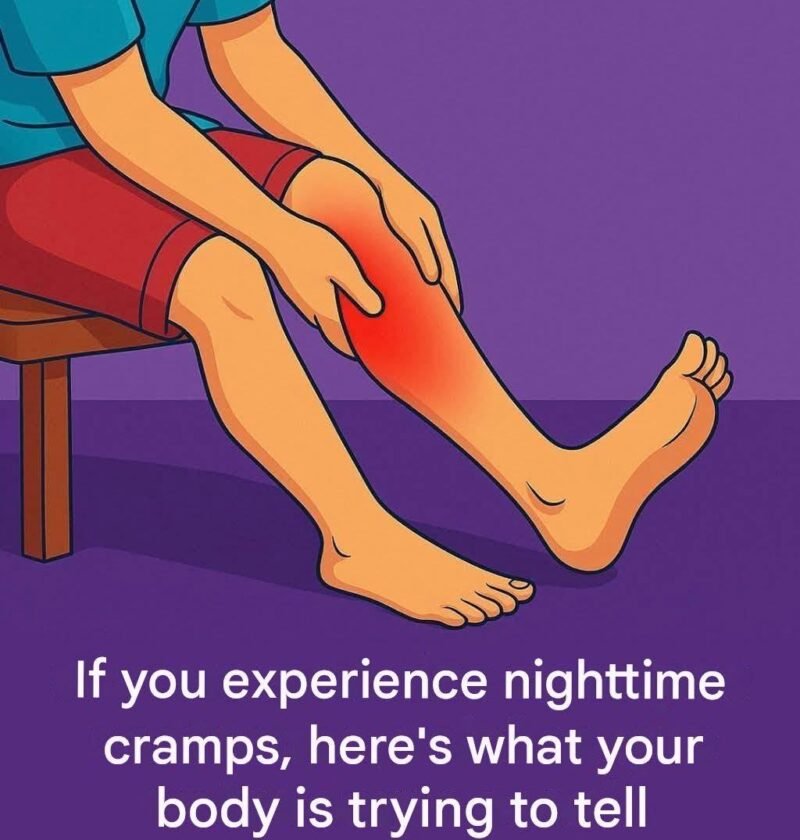
Waking up in the middle of the night with your calf muscle locking into a brutal, agonizing knot is an instantly jarring experience. While viral wellness blogs love to frame nocturnal leg cramps as a terrifying omen of organ failure or severe systemic disease, the physiological reality is usually much more mechanical and mundane.
Understanding why these spasms happen—and what you can actually do to prevent them—helps separate everyday muscle fatigue from true medical concerns.
Why Do Nighttime Leg Cramps Happen?
Nocturnal leg cramps occur when a muscle involuntarily and forcibly contracts and fails to relax quickly. While researchers are still pinning down the exact neurological trigger, medical science points to a few primary drivers:
-
Neuromuscular Fatigue and Overuse:
-
The Mechanism: If you spent the day standing for hours on hard floors, engaged in unaccustomed exercise, or strained your lower leg muscles, your neuromuscular system becomes fatigued. As your muscles relax and lengthen while you transition into sleep, the nervous system can misfire, triggering a sudden, painful spasm.
-
-
Electrolyte Shifts and Hydration Balance:
-
The Mechanism: Low levels of key electrolytes—specifically magnesium, potassium, and calcium, which govern how muscle fibers contract and relax—can make muscle tissue hyper-excitable. Mild dehydration further concentrates these mineral imbalances in extracellular fluids.
-
-
Prolonged Positioning:
-
The Mechanism: Lying in bed with your feet pointed downward for hours (plantarflexion) keeps the calf muscles in a shortened state. When you stretch or shift positions, the shortened muscle can suddenly protest with a cramp.
-
Natural, Evidence-Based Ways to Prevent and Relieve Cramps
Skip the expensive “miracle mineral” supplements or panic-inducing medical theories. If you struggle with stubborn night cramps, these natural habits offer real relief:
-
Immediate Relief (When a Cramp Hits):
-
Stretch the Antagonist Muscle: Straighten your leg and pull your toes upward toward your shin (dorsiflexion). It hurts initially, but it forces the calf muscle to lengthen and break the spasm cycle.
-
Gentle Massage or Movement: Walking around the room briefly or massaging the knotted muscle helps reset the muscle spindle reflexes.
-
-
Long-Term Prevention:
-
Maintain Consistent Hydration: Keep your fluid intake steady throughout the day to support optimal cellular and circulatory function.
-
Bedtime Stretching Routine: Spend 2 to 3 minutes doing gentle calf and hamstring stretches right before you climb into bed to reduce resting muscle tension.
-
Supportive Footwear: Wearing unsupportive shoes or standing for long shifts places chronic micro-strain on your lower leg muscles, making them far more prone to cramping up at rest.
-
When to Actually Pay Attention (Red Flags)
While occasional nocturnal cramps are a normal part of having a physical body, you should consult a physician if your cramps are accompanied by:
-
Severe, progressive muscle weakness or noticeable muscle wasting.
-
Significant swelling, redness, or warmth in one leg (which can indicate a blood clot or deep vein thrombosis).
-
Pain that occurs consistently during daytime walking and disappears with rest (which can point to vascular circulation issues).
Don’t let sensational headlines turn a normal muscle spasm into a midnight panic—stretching, hydration, and smart daytime habits are usually all you need to keep your legs quiet at night!