…life.
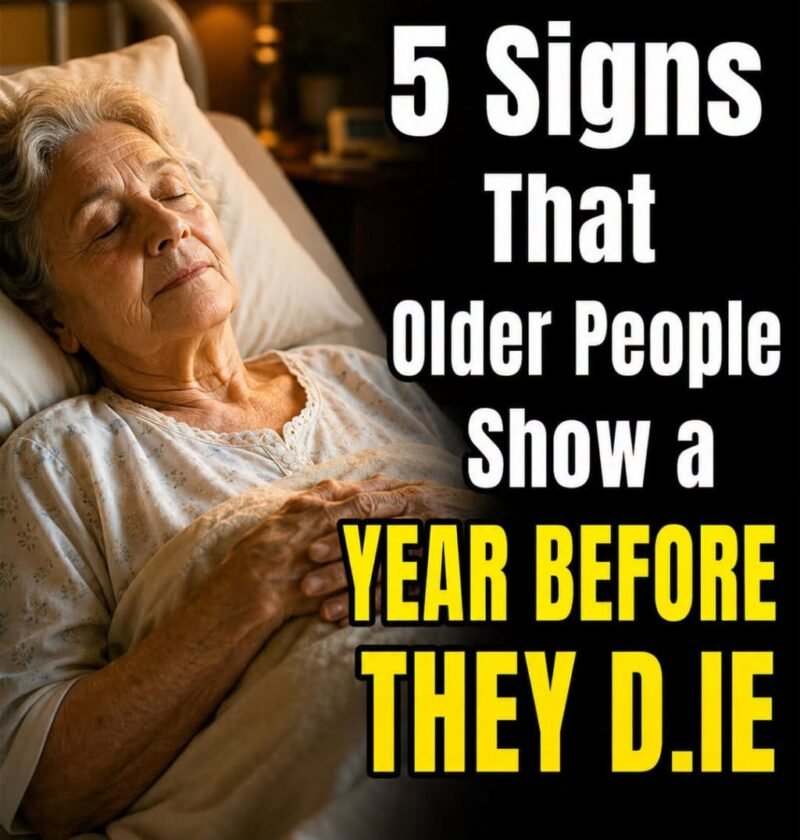
Noticing shifts in an aging loved one can be deeply emotional and difficult to navigate. When an elderly person begins nearing the end of life—often referred to as the “terminal decline” phase—families frequently look for signs to help them prepare, provide comfort, and ensure proper care. While every individual’s journey is unique and declining health can happen for many reasons, palliative and geriatric care experts often point to several subtle physical and behavioral shifts.
5 Subtle Signs of Approaching End-of-Life Decline
-
Gradual Withdrawal and Reduced Social Engagement
-
What it looks like: A noticeable loss of interest in hobbies, conversations, or family events that they once enjoyed. They may spend more time sleeping or staring quietly into space.
-
Why it happens: As bodily systems slow down, the individual naturally conserves their limited physical and emotional energy, turning inward as they detach from the outside world.
-
-
Profound, Unrelenting Fatigue and Increased Sleep
-
What it looks like: Sleeping for the majority of the day and night, and appearing drowsy or exhausted even shortly after waking up. Waking them up becomes increasingly difficult.
-
Why it happens: The body’s metabolism and organ functions are slowing down significantly, requiring vastly more rest as energy reserves deplete.
-
-
Significant Decrease in Appetite and Thirst
-
What it looks like: Refusing meals, turning away favorite foods, or only taking a few sips of water or spoonfuls of soup. Weight loss and muscle wasting often become more pronounced.
-
Why it happens: The digestive system slows down, and the body no longer requires the same caloric fuel because it is not processing or burning energy the way it used to. Forcing food or fluids at this stage can sometimes cause discomfort.
-
-
Subtle Changes in Mobility and Increased Weakness
-
What it looks like: Moving from walking with a cane or walker to needing a wheelchair, and eventually staying entirely confined to a bed or chair. Simple movements require a tremendous amount of effort.
-
Why it happens: Cumulative muscle loss (sarcopenia), failing organ systems, and an overall systemic drop in stamina strip away physical strength.
-
-
Quiet Detachment and Altered Communication
-
What it looks like: Becoming unusually quiet, speaking very little, or occasionally talking about people or events from the distant past as if they are happening right now.
-
Why it happens: Cognitive processing shifts, and some elderly individuals begin experiencing a psychological transition where they focus inward on past memories, family members who have passed away, or a sense of closure.
-
Approaching These Moments with Care
Recognizing these signs can be heartbreaking, but it also offers a vital window to focus on comfort, dignity, and quality of life.
-
Consult Healthcare Professionals: If you are noticing these shifts, speak with a primary care doctor, a geriatrician, or a palliative care team. They can help assess whether these changes point toward a natural end-of-life trajectory or if they are caused by a treatable condition (such as a silent infection, medication side effects, or dehydration).
-
Focus on Comfort: In the final stages, medical goals often shift away from aggressive treatments and toward pain management, soothing skin care, keeping lips moist, and simply being present with your loved one through a calm, reassuring voice or gentle touch.
Are you navigating a difficult situation with an elderly loved one right now, or looking for guidance on how to talk to a doctor about palliative care options?