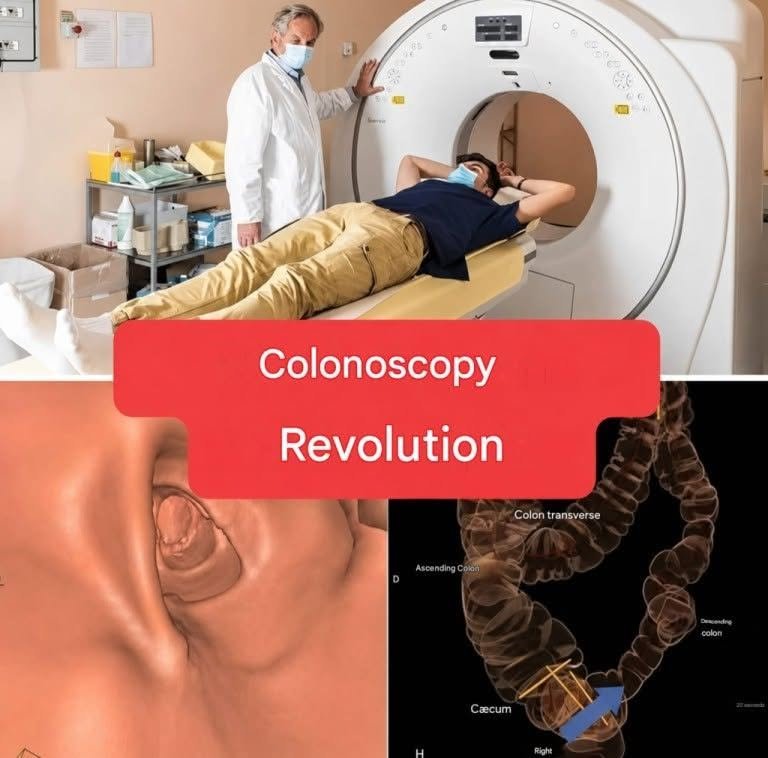
If you’re referring to headlines claiming “colonoscopy will no longer be invasive,” there’s an important distinction: there are newer and less-invasive ways to screen for colorectal cancer, but they don’t completely replace colonoscopy in every situation.
-
Stool-based tests such as FIT look for hidden blood in stool and can be done at home.
-
Stool DNA tests combine blood detection with molecular markers associated with colorectal cancer.
-
CT colonography (“virtual colonoscopy”) uses CT imaging to examine the colon without inserting a conventional colonoscope throughout the colon.
-
Capsule endoscopy involves swallowing a small camera capsule that takes images as it passes through the digestive tract; its role for colorectal screening is more limited and availability varies.
The important catch
A traditional colonoscopy remains unique because doctors can directly examine the colon and remove polyps or take biopsies during the same procedure. If a non-invasive screening test comes back positive, a conventional colonoscopy is generally needed to find and treat the source.
So the technology is evolving, but “colonoscopy is no longer necessary” isn’t accurate. The best screening method depends on age, personal and family history, previous polyps, symptoms, and local guidelines.