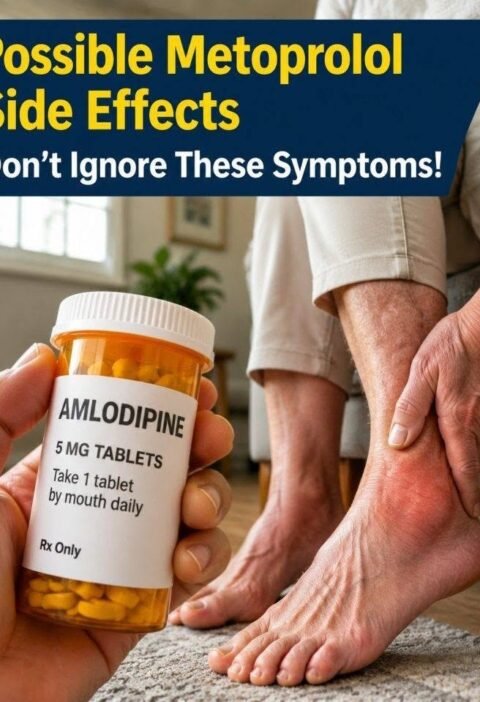
Articles warning about “sneaky side effects” of common heart medications like metoprolol often use dramatic, alarmist language, but they tap into a very real reality: beta-blockers affect the central nervous and cardiovascular systems in subtle ways that patients might not immediately connect to their prescription.
Metoprolol is a beta-blocker widely prescribed to lower blood pressure, slow heart rate, and manage chest pain or heart failure. While doctors routinely discuss major warnings like extreme fatigue or dizziness, several indirect or lesser-known effects frequently fly under the radar.
10 Less-Discussed Effects of Metoprolol
-
Masking Low Blood Sugar Symptoms (Hypoglycemia): By blocking adrenaline-like responses and slowing your heart rate, metoprolol can hide classic warning signs of low blood sugar like a racing pulse, trembling, and intense nervousness. People with diabetes have to watch for alternative cues instead, such as sudden sweating.
-
Vivid Dreams and Sleep Disruption: Because metoprolol is lipophilic (meaning it can cross the blood-brain barrier to a degree), it can occasionally impact the central nervous system, leading to unusually vivid dreams, nightmares, or trouble staying asleep.
-
Subtle Shifts in Mood or Motivation: Some patients report a subtle sense of flatness, low-grade depression, or a lack of motivation that they rarely think to attribute to a blood pressure pill.
-
“Beta-Blocker Fatigue” and Reduced Stamina: While doctors mention tiredness, the long-term impact on physical endurance can be profound. By intentionally capping your heart rate, the drug prevents your body from naturally ramping up during exercise, making everyday tasks like climbing stairs feel noticeably heavier.
-
Cold Hands and Feet (Peripheral Vasoconstriction): By redirecting blood flow toward core organs and slowing circulation, beta-blockers frequently leave people dealing with persistently cold fingers and toes, even in mild weather.
-
Subtle Cognitive Fog: Particularly in older adults, central nervous system dampening can sometimes manifest as mild forgetfulness, word-finding difficulty, or a generalized sense of brain fog.
-
Exercise Intolerance / High Heart Rate Limits: If you try to work out, you may notice you hit a hard wall much faster because your heart simply cannot accelerate to meet the physical demand.
-
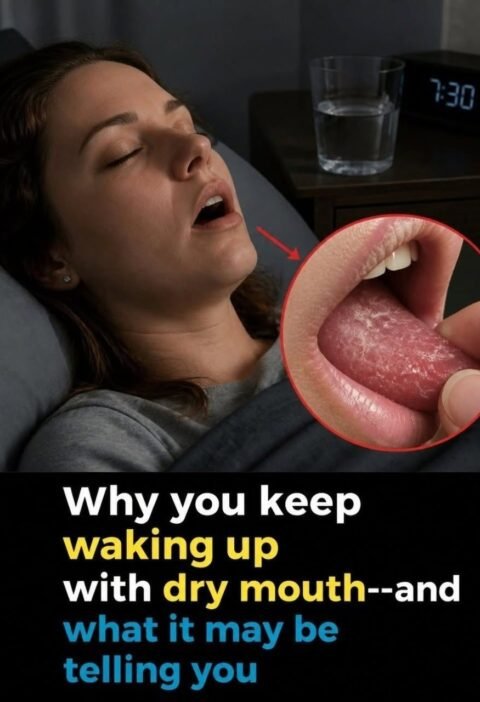
Mild Gastrointestinal Upset: Though less common, some individuals experience mild nausea, dry mouth, or digestive slowdowns as their system adjusts to altered autonomic nervous system signaling.
-
Dry or Itchy Eyes: Beta-blockers can occasionally reduce tear production, leading to dry, irritated eyes—particularly for contact lens wearers.
-
Hair Thinning (Rare): While infrequent, certain beta-blockers have been anecdotally and clinically linked to a temporary, reversible increase in hair shedding as hair follicles shift resting phases.
How to Handle Side Effects Safely
If you are experiencing disruptive symptoms while taking metoprolol, never stop taking it abruptly.
Abruptly quitting a beta-blocker can trigger a dangerous rebound effect, causing a sudden, severe spike in heart rate and blood pressure that dramatically increases the risk of chest pain or cardiac events. Any dosage changes or medication switches must be coordinated carefully with your prescribing physician.
Have you or someone you know recently started taking metoprolol and noticed unexpected shifts in energy or daily comfort?