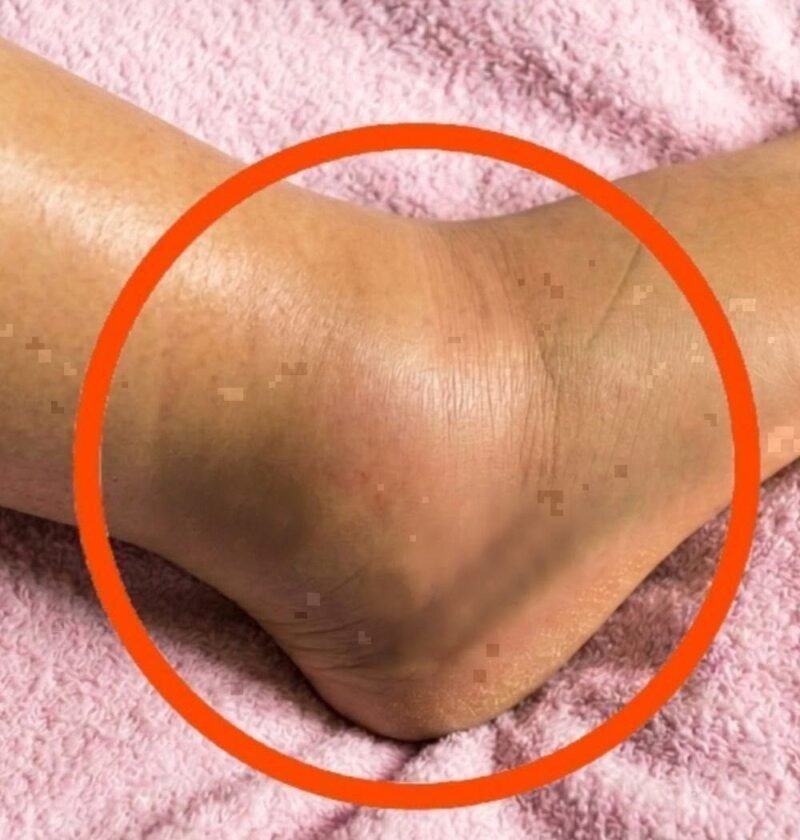
Swollen legs or ankles (leg edema) can have many causes. It is often harmless, but new, persistent, or unexplained swelling deserves attention, especially in older adults.
Common possibilities
- Standing or sitting for long periods — fluid can accumulate in the lower legs.
- Venous insufficiency — leg veins have difficulty returning blood to the heart, often causing swelling that worsens by evening.
- Medication side effects — some blood-pressure medicines, including amlodipine, can cause ankle swelling.
- Heart problems — heart failure can cause swelling in both legs, sometimes along with breathlessness or reduced exercise tolerance.
- Kidney disease — impaired fluid regulation can lead to swelling.
- Liver disease — can cause fluid accumulation, particularly when advanced.
- Blood clot (DVT) — typically causes swelling in one leg, often with pain, warmth, or redness.
- Infection or injury — can produce localized swelling, redness, warmth, or pain.
🚨 Get urgent help if
Swelling develops suddenly in one leg, particularly with pain or warmth, or if leg swelling occurs with chest pain, sudden shortness of breath, coughing blood, fainting, or severe difficulty breathing. These can be signs of a blood clot or another emergency.
If the swelling is mild and affects both legs, keeping your legs elevated, moving regularly, and avoiding prolonged sitting can sometimes help—but don’t assume persistent swelling is simply a normal part of aging. A clinician can determine the underlying cause.