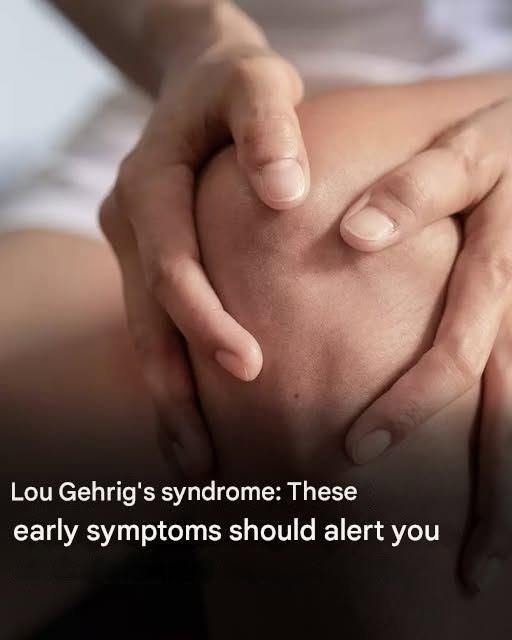
Lou Gehrig’s Disease: Early Symptoms to Know
Lou Gehrig’s disease, medically known as amyotrophic lateral sclerosis (ALS), is a progressive neurological disease that damages nerve cells responsible for voluntary muscle movement. Early symptoms can be subtle and vary considerably from person to person.
Possible early symptoms
- Muscle weakness — Often beginning in one hand, arm, leg, or the muscles used for speaking.
- Difficulty with fine movements — Trouble buttoning clothes, writing, turning keys, or gripping objects.
- Muscle twitching (fasciculations) — Small, involuntary muscle movements, sometimes accompanied by cramps.
- Muscle stiffness or tightness — Muscles may become unusually rigid or difficult to move.
- Changes in speech — Speech can become slurred, slower, quieter, or harder to understand.
- Difficulty swallowing — Some people develop problems swallowing food or liquids.
- Tripping or falls — Weakness in the legs or difficulty lifting the front of the foot can affect walking.
- Changes in coordination — Everyday movements may become unexpectedly awkward.
Important: These symptoms don’t necessarily mean ALS
Many much more common conditions—including nerve compression, vitamin deficiencies, medication effects, and other neurological disorders—can cause similar symptoms. ALS cannot be diagnosed from symptoms alone.
If someone develops progressive, unexplained muscle weakness, persistent twitching with weakness, or new difficulty speaking or swallowing, they should see a doctor, who may refer them to a neurologist.
If swallowing or breathing suddenly becomes difficult, seek urgent medical attention.