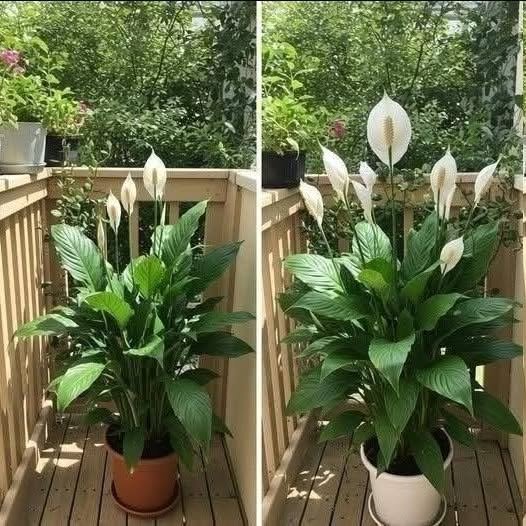
Ah, the legendary “miracle fertilizer” houseplant trap! Whenever the internet promises that pouring a single, mysterious kitchen cup over your sad, drooping greenery will make it “bloom like crazy,” you are officially crossing into the magical realm of viral plant-tok alchemy.
Peace lilies (Spathiphyllum) are famously dramatic houseplants. The second they get a little thirsty or sit in the wrong light, they dramatic-faint and slump over like they’ve been stricken with grief. Clickbait exploit centers love this vulnerability, preying on frustrated plant parents by offering a secret kitchen elixir to fix all their indoor-gardening woes.
Here is the real, un-dramatized science behind what makes a peace lily actually thrive and bloom (without destroying your soil with weird DIY brews):
What the Clickbait Is Probably Suggesting
Articles and videos with these headlines usually push one of a few classic kitchen-scrap fertilizers:
-
Rice Water or Pasta Water: “Pour the starchy water from your cooking into the pot!” (While starches contain trace nutrients, dumping leftover salty, oily pasta water into a houseplant is a great way to attract gnats, mold, and salt-burn your roots.)
-
Coffee Grounds or Banana Peel Water: “Soak banana peels and dump the juice in to force flowers!” (While potassium-rich, rotting organic matter sitting in an indoor pot often attracts fungus gnats and creates a smelly, anaerobic mess.)
-
Epsom Salt or Milk Miracles: The list goes on, trading basic plant biology for a quick-fix potion.
Why Peace Lilies Actually Refuse to Bloom
If your peace lily is stubbornly refusing to put out those iconic white spathes (the “flowers”), it’s usually not because it’s missing a secret kitchen ingredient. It’s almost always responding to its environment:
-
Not Enough Bright, Indirect Light: This is the #1 culprit. People stick peace lilies in dark, shadowy corners of a room because they have a reputation for being “low-light plants.” While they can survive in low light, they won’t have the energy to bloom. They need bright, indirect sunlight to produce flowers.
-
The Maturity Factor: Sometimes a peace lily is just too young. Very small, immature plants won’t flower until they’ve developed a robust root system and reached a certain size.
-
Inconsistent Watering: Peace lilies hate drying out completely, but they also hate sitting in a soggy bog. Fluctuating water stress exhausts the plant, making it prioritize basic survival over reproduction (blooming).
-
Nutrient Depletion: If a peace lily has been sitting in the exact same nursery soil for three years, the potting mix has likely lost all its vital nutrients.
How to Actually Make a Peace Lily Flourish
If you want to coax a peace lily into blooming lushly, skip the viral kitchen tonics and stick to boring, reliable horticulture:
-
Find Its Happy Place: Move it closer to an east- or north-facing window where it gets plenty of ambient, filtered daylight without harsh direct sun rays scorching its leaves.
-
Feed It Balanced Plant Food: Instead of random kitchen scraps, give it a diluted, balanced houseplant fertilizer once a month during the active growing season (spring and summer).
-
Use Filtered or Rested Water: Peace lilies are notoriously sensitive to the fluoride and chlorine found in tap water, which can cause brown, crispy tips on their leaves. Letting your tap water sit out in an open pitcher overnight lets the chlorine evaporate.
💡 The Bottom Line: There is no magic “1-cup” potion that will instantly resurrect an ugly peace lily into a floral masterpiece. Healthy plants come from proper light, consistent watering, and a little patience.
Did this article try to convince you to pour leftover coffee or starchy rice water on your plant, or was it trying to sell you an expensive, branded “bloom booster” liquid?