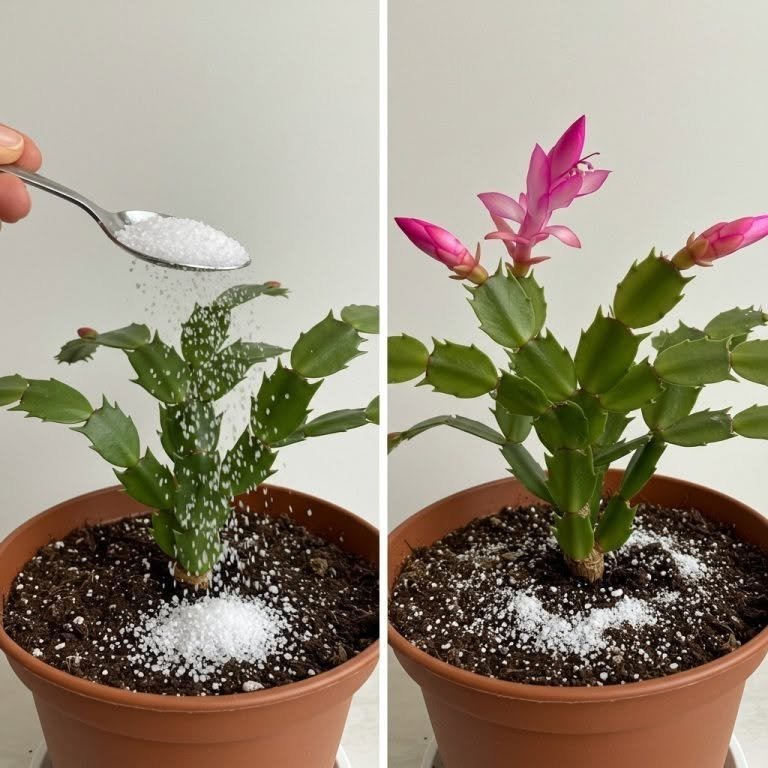
Ah, the poetic garden-mystery headline! “Fall Awakening: Breathing Life into House Flowers with a Little Secret” reads like the opening line of a cozy autumn fairy tale.
When the internet pairs lovely, evocative phrasing like “fall awakening” with a mysterious “little secret” for your indoor plants, it’s wrapping standard seasonal plant care in a theatrical, click-generating cloak.
Here is the un-dramatized reality behind what actually happens to your indoor greenery when autumn rolls around, and whether you need a secret elixir to keep them alive:
What the Clickbait Usually Teases as a “Secret”
Articles with headlines like this love to build suspense before revealing some mundane household item—like steeping banana peels, dumping leftover tea leaves, or using a “one-tablespoon miracle tonic”—as the hidden trick that transforms your plants.
While mild organic additions like diluted tea water or compost water offer trace nutrients, they aren’t magic potions. The true “secret” to helping houseplants transition into the colder months isn’t a hidden kitchen ingredient; it’s simply understanding how indoor ecosystems shift when summer ends.
The Real Seasonal “Secrets” Your Plants Need in Autumn
As the weather cools and you turn on your indoor heating, your house experiences a dramatic environmental shift. Keeping your plants vibrant through the autumn transition comes down to four unglamorous, science-backed adjustments:
-
Managing the Light Drop (Shorter Days):
-
The Reality: The sun sits lower in the sky, and daylight hours shrink rapidly. Plants that soaked up blazing light on a windowsill all summer suddenly find themselves in dim, shadows-only territory.
-
The Fix: Move sun-loving houseplants closer to south- or west-facing windows to help them catch every last drop of weak autumn sunlight.
-
-
Backing Off on Fertilizer:
-
The Reality: This is a classic misstep. Many people think plants need more food when they look a little sad. However, as light fades, most indoor plants enter a semi-dormant rest period. Pumping them full of heavy fertilizer now is like forcing someone to run a marathon when they want to sleep—it can burn and shock their roots. Save heavy feeding for the spring.
-
-
Combating Furnace Air (Humidity):
-
The Reality: Once indoor heaters kick on, the air inside your home dries out dramatically, plunging humidity levels. Tropical houseplants absolutely hate this, often responding with crispy, brown leaf tips.
-
The Fix: Grouping your plants closely together (they create their own microclimate), placing them on a pebble tray filled with water, or running a small room humidifier makes a massive difference.
-
-
Shifting the Watering Routine:
-
The Reality: Because temperatures drop and evaporation slows down, soil stays damp much longer in the fall and winter. Watering on a strict summer schedule will lead to overhydration and root rot.
-
The Fix: Always poke your finger a couple of inches into the soil; if it’s still damp down there, leave the watering can alone for a few more days.
-
💡 The Bottom Line: You don’t need a secret magic potion to “awaken” your house plants for autumn. They don’t need a spell—they just need you to respect the changing seasons by tweaking their light, adjusting your watering habits, and giving them a break from heavy fertilizers.
Did this article try to sell you a bottled “fall awakening elixir,” or was it pushing a weird trick involving leftover kitchen scraps?