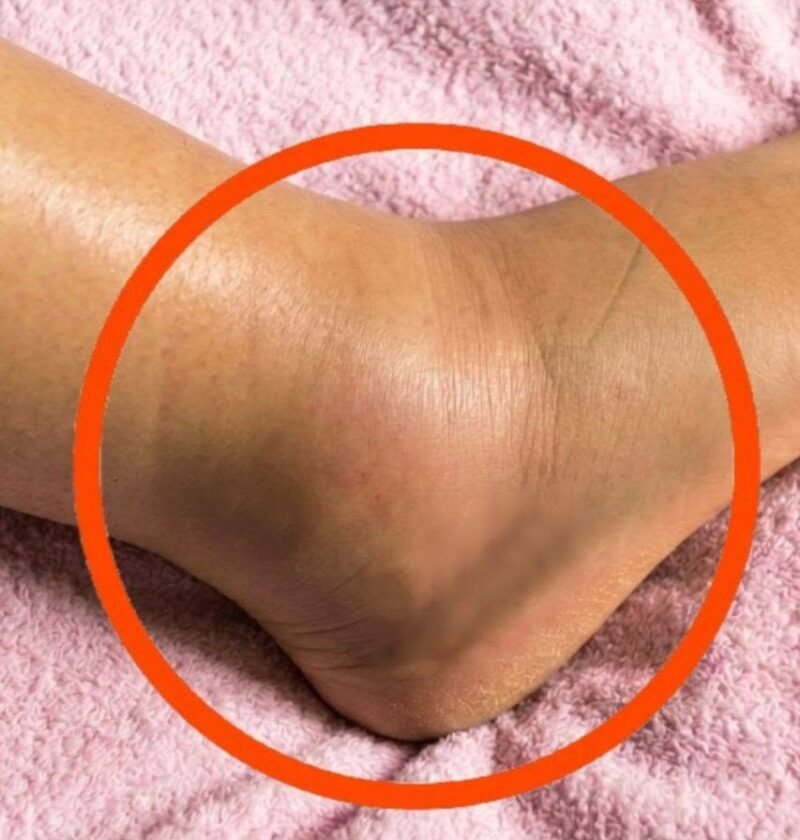
Swollen legs (medically known as peripheral edema) is a very common symptom with a wide range of potential causes. While viral clickbait headlines love to jump straight to terrifying conclusions like cancer or terminal organ failure, the reality is usually much more mechanical and mundane.
Here is a breakdown of what swollen legs actually mean, ranging from everyday factors to conditions that require medical attention.
Common and Everyday Causes
Most leg swelling is simply the result of fluid pooling in the lower extremities due to gravity, circulation mechanics, or lifestyle factors:
-
Prolonged Sitting or Standing: If you stand or sit at a desk (or on a long airplane flight) for hours, the valves in your leg veins have to work harder to push blood back up to your heart, causing fluid to seep into surrounding tissues.
-
Salt Intake: Eating a meal high in sodium causes your body to retain excess water, which frequently settles in the lower legs, ankles, and feet.
-
Hormonal Fluctuations: Pregnancy, menstrual cycles, or hormone replacement therapy can cause temporary fluid retention and swelling.
-
Injury or Inflammation: A sprained ankle, a pulled calf muscle, or localized inflammation will naturally cause swelling in that specific leg.
Underlying Medical Conditions
When leg swelling is persistent, chronic, or worsening, it is typically investigated by doctors for specific systemic issues:
-
Venous Insufficiency: As people age, the one-way valves inside leg veins can weaken, allowing blood to flow backward and pool in the lower legs (often accompanied by varicose veins or skin discoloration).
-
Heart Conditions: If the heart muscle is weakened (such as in congestive heart failure), it cannot pump blood efficiently, causing fluid to back up and accumulate in the lower extremities.
-
Kidney or Liver Issues: The kidneys regulate fluid and salt balance in the body. If kidney function is compromised, fluid builds up systemically. Similarly, liver disease can alter protein levels in the blood, leading to fluid retention in the legs and abdomen.
-
Medication Side Effects: Many common prescription drugs—including certain blood pressure medications (calcium channel blockers), NSAIDs, steroids, and diabetes medications—list peripheral edema as a known side effect.
When to Seek Immediate Medical Evaluation
While swollen legs are often manageable, certain red flags require prompt medical attention:
-
Sudden swelling in only one leg, accompanied by pain, warmth, redness, or tenderness (which can indicate a Blood Clot or Deep Vein Thrombosis / DVT).
-
Swelling accompanied by shortness of breath, chest pain, or difficulty breathing, which can signal heart or lung distress.
-
Swelling that comes on rapidly and is accompanied by severe fatigue, rapid weight gain, or decreased urination.