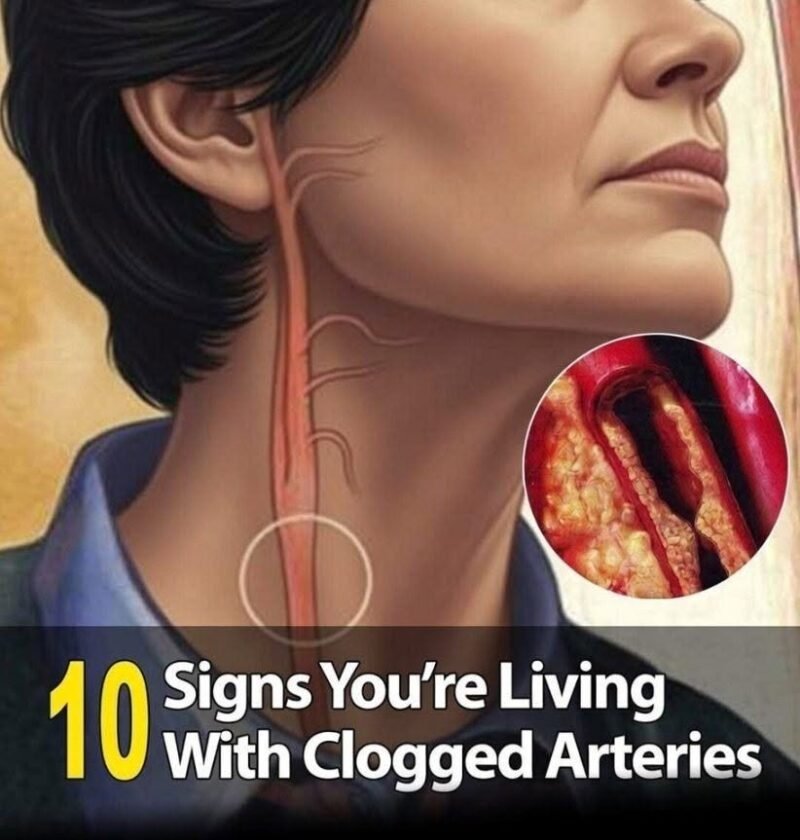
10 Possible Signs of Artery Narrowing You Shouldn’t Ignore
Arteries can become narrowed by atherosclerosis, a process in which cholesterol-containing plaque builds up inside blood vessels.
The tricky part is that early artery disease may cause no symptoms at all.
When symptoms do appear, they depend on which arteries are affected.
1. 🫀 Chest pressure or discomfort
Pressure, squeezing, fullness, or pain in the chest—especially during exertion—can be a warning sign of reduced blood flow to the heart.
2. 😮💨 Shortness of breath
Breathlessness during activity can occur when the heart isn’t receiving enough blood, although there are many other possible causes.
3. 💪 Pain spreading to the arm, shoulder, back, neck, or jaw
Heart-related discomfort isn’t always felt directly in the chest. It can radiate to other areas.
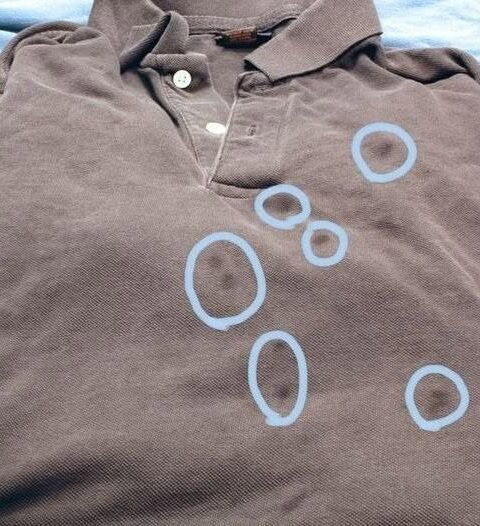
4. 🥶 Unusual sweating with chest discomfort
Cold sweating, particularly when combined with chest pressure, nausea, or shortness of breath, can be a warning sign of a heart attack.
5. 🦵 Leg pain when walking
Peripheral artery disease (PAD) can cause aching, cramping, or heaviness in the legs during walking that improves after resting.
6. 🧊 Coldness or color changes in a foot or leg
Reduced circulation can sometimes cause one limb to feel unusually cold or appear pale or bluish.
7. 🩹 Sores on the feet or legs that heal slowly
Poor blood flow can make wounds on the lower extremities slower to heal.
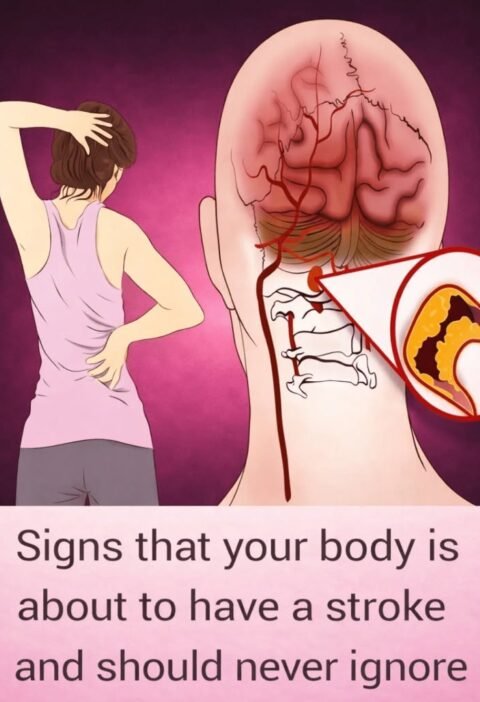
8. 🧠 Sudden weakness or numbness
Narrowing or blockage of arteries supplying the brain can contribute to a TIA or stroke.
Sudden weakness or numbness—particularly on one side—is an emergency.
9. 👁️ Sudden vision loss or disturbance
A temporary or sudden loss of vision in one eye can sometimes occur when blood flow to the eye or brain is disrupted.
10. 🚶 Unexplained decline in exercise tolerance
Becoming unusually short of breath, weak, or fatigued with activities that previously felt easy deserves medical attention, particularly if the change is new or progressive.