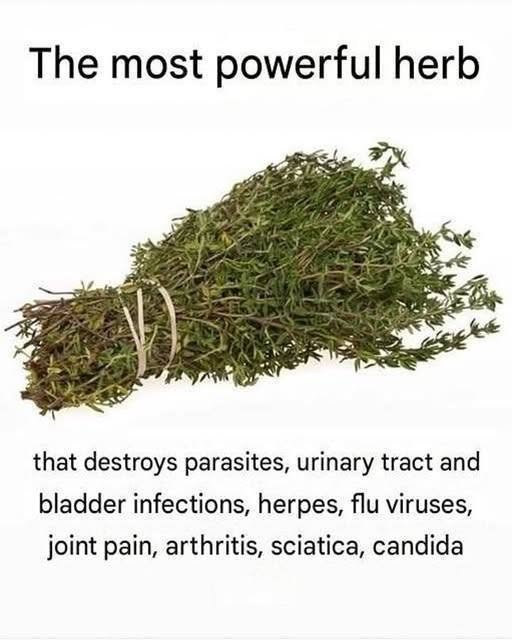
While catchy headlines or wellness blogs often claim that a single “miracle herb” can cure everything from parasites and bladder infections to herpes and the flu, no single herb exists that can medically treat or cure all of these entirely different conditions.
In modern medicine and clinical herbalism, different biological agents require entirely different mechanisms of action. A substance that kills a parasite (an antiparasitic) is fundamentally different from one that clears a bacterial urinary tract infection (an antibacterial) or inhibits a viral infection like herpes or influenza (an antiviral).
Instead of a single cure-all, certain powerful botanical remedies have distinct, scientifically studied properties that target specific categories of these health issues:
1. For Parasites
-
Commonly Studied Botanicals: Herbs like wormwood (Artemisia annua), black walnut hull, and oregano oil are traditionally and clinically used for their antiparasitic properties.
-
How They Work: They contain compounds that can paralyze or disrupt the life cycles of intestinal worms or micro-organisms. However, using them requires careful dosing, as potent antiparasitic herbs can be harsh on the liver and gut lining.
2. For Urinary Tract & Bladder Infections (UTIs)
-
Commonly Studied Botanicals: Cranberry extract (rich in proanthocyanidins) and D-mannose (a simple sugar derived from plants) are famous for preventing bacteria like E. coli from sticking to the bladder walls. Herbs like uва ursi (bearberry) are also used short-term due to arbutin, a compound that acts as a natural urinary antiseptic.
-
Important Caveat: While herbs can help prevent or mildly support urinary health, an established, active bacterial bladder infection requires proper medical diagnosis and often antibiotics. Left untreated, a UTI can travel up to the kidneys and cause a serious systemic infection (pyelonephritis).
3. For Herpes (HSV)
-
Commonly Studied Botanicals: Lemon balm (Melissa officinalis) and licorice root have shown notable antiviral activity against the herpes simplex virus in laboratory and clinical settings. Lemon balm creams, for instance, can help shorten the healing time of cold sores when applied topically.
-
How They Work: Certain plant extracts can interfere with the virus’s ability to bind to or enter host cells, but they manage symptoms rather than eradicating the virus from the nervous system.
4. For Flu Viruses (Influenza)
-
Commonly Studied Botanicals: Black elderberry (Sambucus nigra), garlic, and echinacea are widely recognized for supporting immune response and shortening the duration or severity of upper respiratory flu symptoms.
-
How They Work: Elderberry extracts can block viral glycoproteins, preventing viruses from replicating and spreading through cell membranes.
The Risks of Relying Solely on “Miracle” Herbs
Attempting to treat serious infections with self-prescribed herbs alone carries real risks:
-
Masking Dangerous Symptoms: Treating a severe UTI or a worsening flu with herbs can delay necessary medical intervention (like prescription antibiotics or antivirals), allowing the condition to worsen dangerously.
-
Drug Interactions: Potent herbs are biologically active chemicals. For instance, St. John’s wort, garlic, and licorice can dangerously interfere with prescription medications, including blood thinners, birth control, and blood pressure drugs.
If you are experiencing symptoms of a UTI, a parasitic infection, a flu, or a herpes flare-up, the safest and most effective approach is to consult a healthcare provider for an accurate diagnosis and a targeted treatment plan.