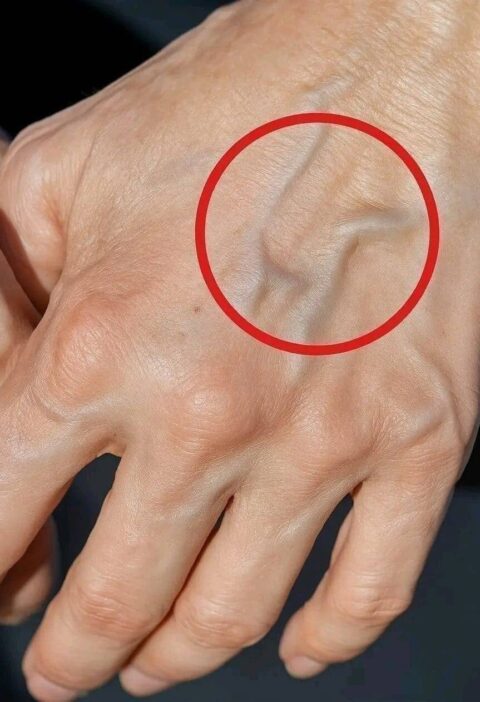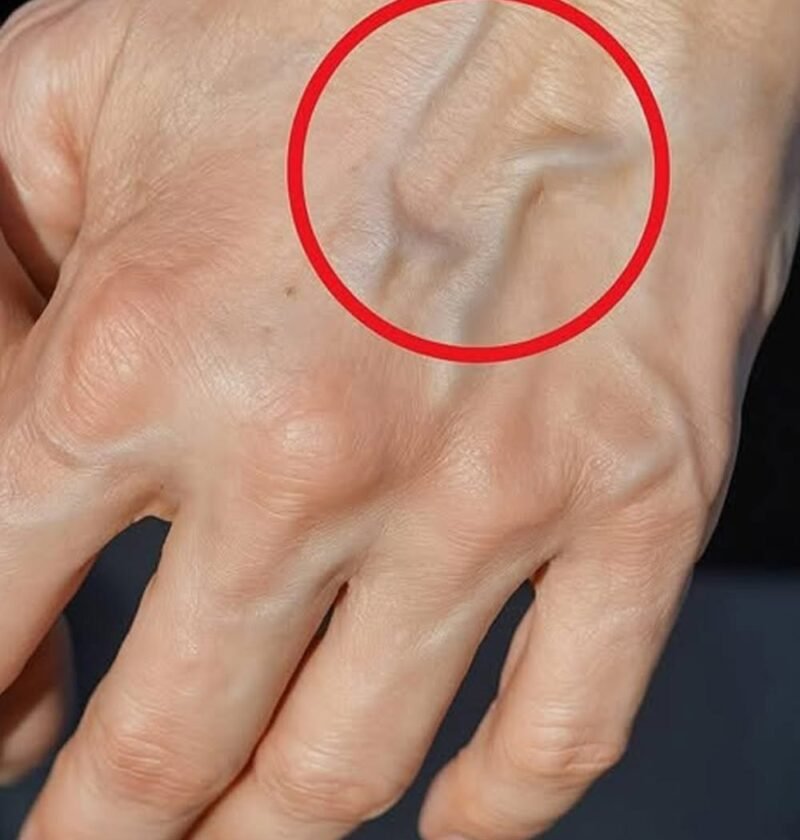
…showing a physical trait that can mean several very different things depending on where those veins are located, your body composition, and your overall health. While seeing a few veins pop through the skin is completely normal for most people, prominent or bulging veins can sometimes be a sign that your circulatory system is working overtime.
Here is what visible veins typically indicate, broken down by category:
1. Naturally Low Body Fat and High Athleticism (The “Fit” Sign)
-
What it means: If your veins are prominent across your arms, hands, legs, or abdomen, and you have a lean physique with low subcutaneous body fat, it simply means your skin is thin enough for the superficial veins underneath to show clearly.
-
The Context: Endurance athletes, weightlifters, and very lean individuals often have prominent vascularity because muscles require increased blood flow during exercise, causing veins to dilate and sit closer to the surface.
2. Genetic Predisposition and Thin Skin (The “Normal Aging” Sign)
-
What it means: As we age, our skin naturally thins and loses collagen and elasticity. This causes veins that were previously hidden beneath a thicker layer of dermal padding to become more visible, especially on the backs of the hands and feet.
-
The Context: Genetics also play a massive role. If your parents or grandparents had fair, thin skin and prominent hand or temple veins, you are likely to inherit the exact same pattern.
3. Early Venous Insufficiency or Varicose Veins (The “Circulation” Sign)
-
What it means: If the veins visible on your legs are twisted, bulging, ropelike, or look like a bluish web (spider veins), it is often a sign of chronic venous insufficiency.
-
The Mechanism: Inside your veins are tiny, one-way valves designed to push blood upward against gravity back toward your heart. If these valves weaken or stretch, blood can flow backward and pool in the lower limbs, causing the veins to swell, stretch, and bulge visibly against the skin.
-
Other Clues: This type of venous pooling is often accompanied by an aching heaviness, restlessness in the legs by the end of the day, or mild ankle swelling.
4. Temporary Vasodilation (Heat, Pregnancy, or Exertion)
-
What it means: Veins act as your body’s cooling system. When you are hot, exercising, or pregnant, your blood vessels dilate (widen) to release heat and handle an increased volume of blood circulation, making veins much more noticeable temporarily.
Summary Checklist: When to Pay Closer Attention
While superficial veins on the hands or arms are usually harmless, you should consult a doctor or vascular specialist if your leg veins are:
-
Accompanied by persistent aching, burning, or throbbing pain in your legs.
-
Causing skin discoloration, dryness, or sores near the ankles.
-
Swelling rapidly or becoming tender and warm to the touch (which can occasionally indicate superficial blood clots or phlebitis).
Are you noticing prominent veins in a specific area—like bulging veins in your legs, or simply thinner skin on your hands?