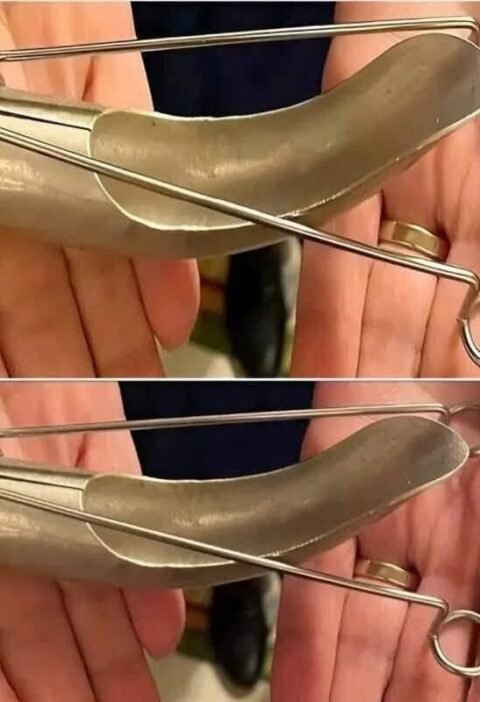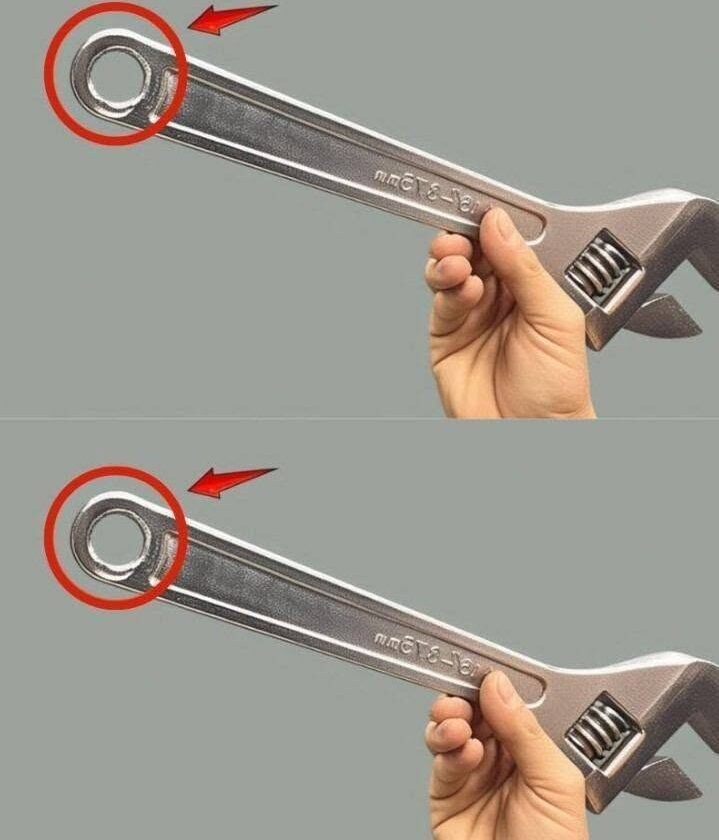
If you mean this as a viral headline, the phrase “this tool” is too vague to identify a particular object. Searches for the exact wording turn up unrelated uses of the “secret tool” hook rather than a definitive tool. Musings By Rebecca+1
If you want a detailed article based on that headline, you could use this structure:
Millions of People Around the World Don’t Know the Secret of This Tool
Some everyday tools look simple, but they may have features that many people never learn to use. A small notch, extra hole, adjustable component, hidden lever, or unusual shape can sometimes have a very practical purpose.
The “secret” isn’t necessarily a complicated trick. Often, manufacturers designed the feature to make the tool safer, faster, more precise, or easier to use.
Why people miss these features
- The tool may have been designed decades ago and its original purpose forgotten.
- Instructions are often discarded after purchase.
- A feature may only become useful in a specific situation.
- Modern versions may retain design elements whose purpose isn’t obvious.
- People often learn to use a tool one way and never explore its other functions.
How to discover the purpose
Before trying an unfamiliar feature, look for the manufacturer’s instructions or model number. Don’t force, cut, modify, or dismantle a tool simply to discover what a component does. The same-looking feature can have completely different purposes on different tools.
If you send me a photo of the actual tool, I can identify its parts and explain exactly what the “secret” feature is, how it works, and how to use it safely.
Sources