How to Get Rid of Phlegm and Mucus Naturally
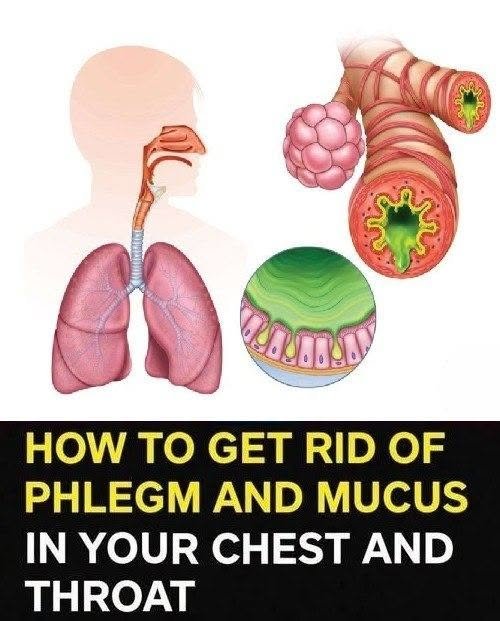
Phlegm is mucus produced in the airways. It can increase with a cold, allergies, asthma, smoking, air pollution, or respiratory infections. The best approach is to help your body clear it while addressing the underlying cause.
Things that may help
-
Drink plenty of fluids — Staying hydrated can make mucus less thick and easier to cough up.
-
Use warm liquids — Warm water, broth, or tea can soothe an irritated throat and make thick secretions feel easier to clear.
-
Try humidified air — A clean cool-mist humidifier may help if dry air is irritating your airways. Clean it regularly to prevent mold and bacteria.
-
Use saline for nasal congestion — A saline nasal spray or properly prepared nasal rinse can help when postnasal drainage is contributing to throat mucus.
-
Avoid smoking and vaping — Tobacco smoke and other inhaled irritants can increase mucus production and coughing.
-
Stay physically active when you’re well enough — Gentle movement can help mobilize secretions.
-
Don’t suppress a productive cough unnecessarily — Coughing is one of the body’s ways of clearing mucus from the airways.
-
Address allergies or reflux if they’re the cause — Treating the underlying trigger is more effective than trying to “flush” mucus away.
What about honey?
Honey can soothe a cough and irritated throat, particularly at night, but it doesn’t literally clean mucus out of the lungs. Never give honey to a child under 1 year old.
When to seek medical care
Get medical advice if phlegm lasts more than a few weeks, repeatedly returns, or comes with shortness of breath, chest pain, persistent fever, unexplained weight loss, or wheezing.
Coughing up blood or having severe difficulty breathing requires urgent medical attention.
Also, yellow or green mucus doesn’t automatically mean you need antibiotics. The color alone cannot reliably distinguish a viral infection from a bacterial one.