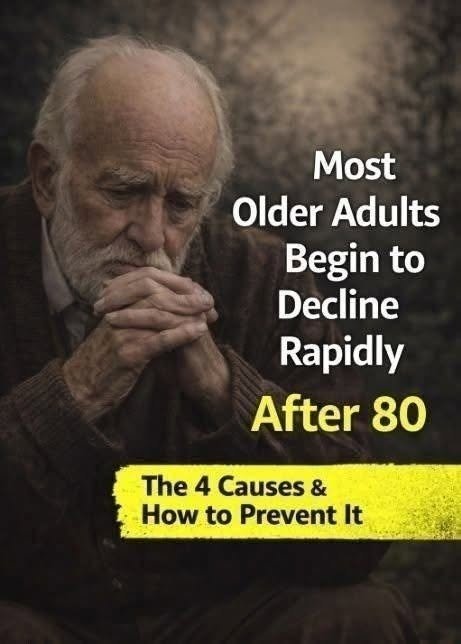
👴 “Most Older Adults Don’t Live Much Longer After 80” — Is That True?
No. This headline is misleading. Reaching 80 does not mean that a person is near the end of life or that they are unlikely to live many more years.
Life expectancy at a particular age is different from life expectancy at birth. Once someone has already reached 80, their remaining life expectancy is calculated using the mortality rates for people who have survived to that age. World Health Organization+1
What the evidence shows
- The United Nations reports that life expectancy at age 60 was about 21.6 additional years globally in 2025—meaning reaching 60 is, on average, followed by more than two decades of life. UN Official Document System
- Globally, the number of people aged 80 and older is increasing rapidly. The WHO projects that this population will reach about 426 million by 2050, roughly triple its 2020 level. World Health Organization
- The UN projects that by the late 2050s, more than half of deaths worldwide will occur at age 80 or older. That doesn’t mean most 80-year-olds die shortly after turning 80; it reflects the fact that people are living to older ages more frequently. United Nations
What matters more than the number 80?
There is enormous variation between individuals. Overall health, physical function, chronic diseases, smoking, activity level, nutrition, social circumstances, and access to healthcare can all influence longevity.
An active, healthy 80-year-old can have a very different outlook from an 80-year-old with several serious illnesses.
Bottom line: Turning 80 is not a biological deadline. Population statistics show that many people live well into their 80s, 90s, and beyond. Age alone cannot tell you how long an individual is likely to live.
Sources