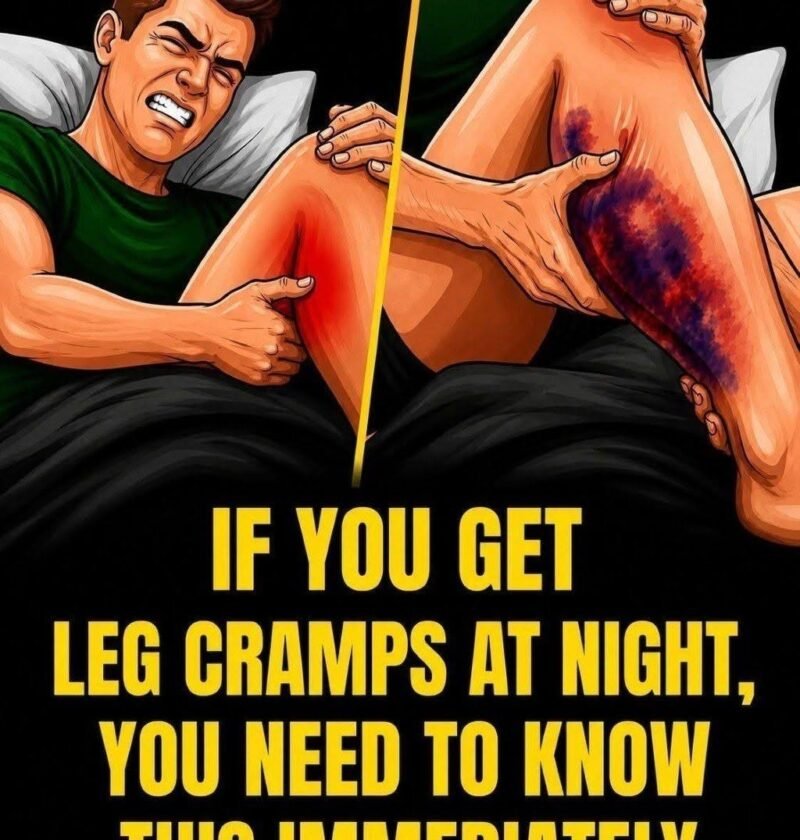
Don’t Ignore Leg Cramps at Night: Here’s What You Should Know
Waking up in the middle of the night with a sudden, painful leg cramp can be miserable. Your calf muscle may tighten, your toes may curl, and the pain can be intense enough to wake you from deep sleep.
Occasional nighttime leg cramps are common and usually harmless. However, frequent, severe, or persistent cramps deserve attention, particularly when they occur alongside swelling, weakness, numbness, or other symptoms.
7 possible reasons you get leg cramps at night
Long walks, strenuous exercise, or standing for hours can tire the muscles and contribute to nighttime cramps.
Not drinking enough fluids, especially after sweating heavily, may contribute to cramping.
Abnormal levels of potassium, calcium or magnesium can contribute to muscle symptoms in some cases. However, many nighttime cramps occur without a mineral deficiency.
Nighttime cramps become more common with age and may occur in people who spend long periods sitting or have reduced physical activity.
Some medicines, including certain diuretics and cholesterol-lowering drugs, may be associated with cramps. Do not stop prescribed medicines without medical advice.
Conditions affecting nerves or blood flow can sometimes cause leg symptoms. Persistent numbness, weakness, or pain while walking needs assessment.
Diabetes-related nerve damage, kidney disease and thyroid disorders can sometimes contribute to cramps. Recurrent symptoms may warrant a medical evaluation.
What to do when a leg cramp strikes
Straighten the affected leg and pull your toes toward your shin. Hold until the muscle relaxes; avoid sudden jerking.
Gently rub the affected area to help ease discomfort.
A warm towel or shower may help relax the muscle. Stand or walk only if you can do so safely.
These approaches can help relieve an active cramp.
How to reduce nighttime leg cramps
-
Stretch your calves gently before bed.
-
Stay adequately hydrated throughout the day, unless you have a medical fluid restriction.
-
Increase physical activity gradually and avoid sudden overexertion.
-
Eat a balanced diet with fruits, vegetables, dairy or suitable alternatives, nuts and seeds.
-
Avoid starting magnesium, potassium or other supplements without a clear reason, particularly if you have kidney disease or take regular medication.
Evidence for preventing cramps varies, but regular calf stretching is a reasonable low-risk measure to try.
When should you worry?
-
One leg becomes swollen, red, warm or persistently painful, especially if this is new.
-
Severe cramping does not settle or is accompanied by significant weakness.
-
You develop new or worsening numbness or muscle weakness.
Call emergency services if leg symptoms occur with sudden shortness of breath or chest pain, as these can indicate a blood clot that has traveled to the lungs.
See a healthcare professional if cramps repeatedly interrupt your sleep, last longer than about 10 minutes, or occur with persistent swelling or numbness.
Would you like to learn which foods support healthy muscles or try a 5-minute bedtime stretching routine?