What Viral Posts Usually Put After “Means You Are…”
-
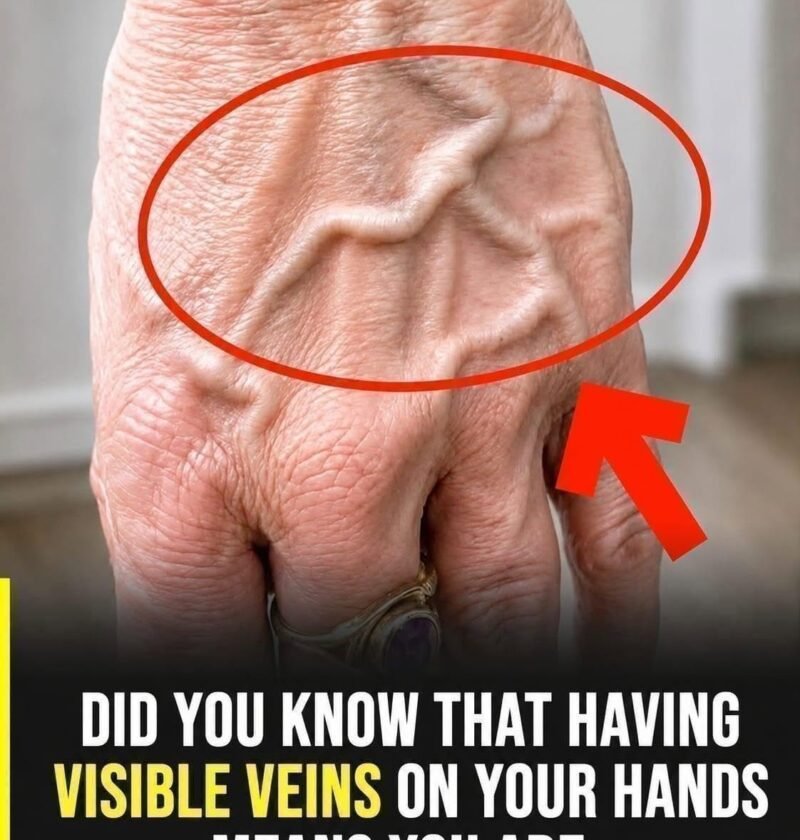
The “flattery/personality” hook: “…naturally athletic, high-energy, or aging slower” (designed for shares and ego-stroking comments).
-
The “health-scare” hook: “…at risk of blood clots, poor circulation, or heart strain” (designed to trigger anxiety and clicks).
The Actual Medical Reasons Veins Look More Visible
-
Low body fat or lean muscle: Less subcutaneous fat between your skin and blood vessels makes superficial veins stand out more clearly—very common on forearms, hands, and calves.
-
Fair, thin, or aging skin: Lighter skin tones and natural collagen thinning over time make blue-green veins easier to see through the skin.
-
Warm weather, exercise, or hydration: Heat and physical exertion widen blood vessels (vasodilation) to cool the body and deliver oxygen to muscles, temporarily making veins bulge.
-
Genetics: Some people simply inherit larger or closer-to-the-surface superficial veins.
When Visible Veins Actually Warrant a Doctor’s Look
-
Twisted, bulging, rope-like leg veins (varicose veins) accompanied by aching, heaviness, throbbing, ankle swelling, or skin darkening/itching around the lower leg.
-
Sudden new vein prominence in one specific area (such as one swollen arm, leg, or chest wall) alongside pain, warmth, or redness—which can signal a localized blockage or clot and needs prompt assessment.