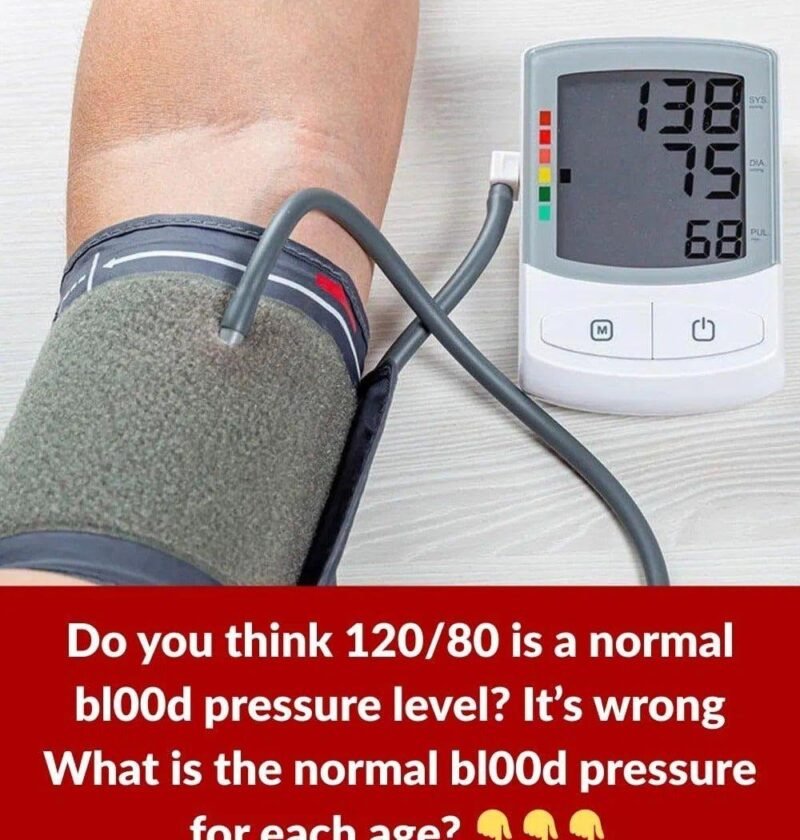
There is not a separate “normal” blood-pressure number for every adult age. For adults, the same basic categories are used whether you’re 30, 50, 70, or 85. The 2025 AHA/ACC guideline defines normal adult BP as below 120/80 mmHg.
Blood pressure by age
| Age | Normal adult BP |
|---|---|
| 18–39 | <120/80 mmHg |
| 40–59 | <120/80 mmHg |
| 60–69 | <120/80 mmHg |
| 70–79 | <120/80 mmHg |
| 80+ | <120/80 mmHg, although treatment goals may be individualized |
How to interpret a reading
- Below 120/80: Normal
- 120–129 and <80: Elevated
- 130–139 or 80–89: Stage 1 hypertension
- ≥140 or ≥90: Stage 2 hypertension
Important: Older age does not automatically make 140/90 “normal.” However, doctors may individualize treatment targets in older adults depending on frailty, other medical conditions, medications, and how well the person tolerates treatment.
For children under 13, blood pressure is different: normal values are based on age, sex, and height percentiles, rather than a single adult cutoff.
If you give me your age and your BP reading (for example, 148/86), I can tell you which category it falls into and what it generally means.