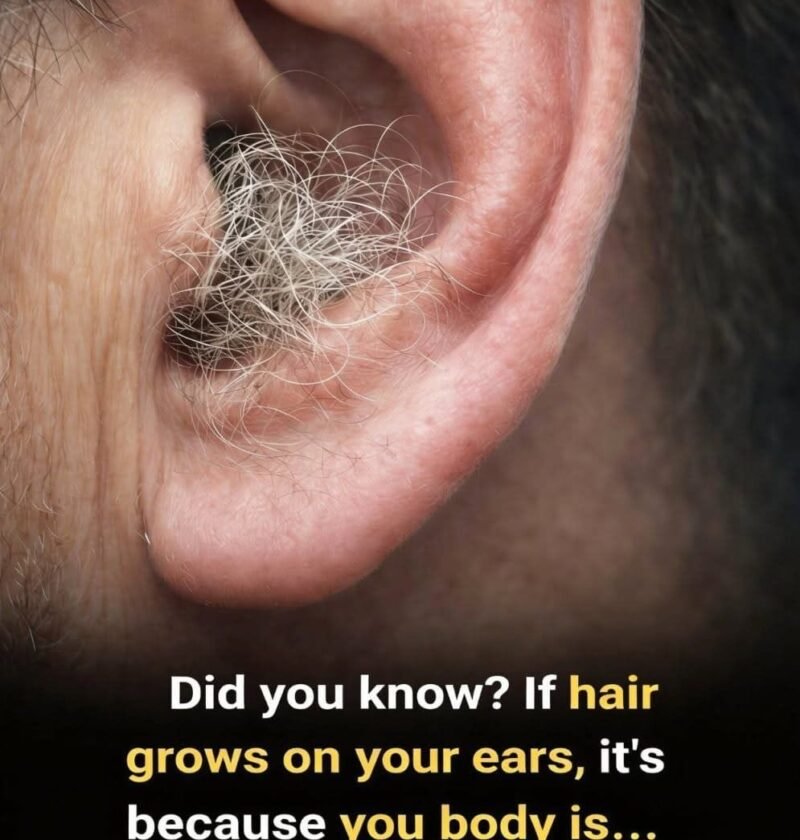
Ear Hair and Your Health: What Doctors Say About This Overlooked Body Sign
Ear hair is usually a normal part of aging and genetics, not a reliable warning sign of disease. As people get older, hair follicles can become more active in areas such as the ears, nose, and eyebrows.
What can cause noticeable ear hair?
- Age: Coarser or longer ear hair becomes more common with age.
- Genetics: Some people naturally grow more body hair than others.
- Hormones: Androgen activity influences hair growth, so hormonal changes can affect where and how much hair grows.
- Certain medications or medical conditions: Less commonly, unusual changes in hair growth can be associated with medications or hormonal disorders.
Does ear hair mean you have heart disease?
You may have seen claims that hairy ears are a sign of coronary artery disease. Some observational studies have reported an association between prominent ear-lobe creases or ear hair and cardiovascular disease, but these findings do not prove that ear hair causes or reliably predicts heart disease.
In other words, having hairy ears doesn’t mean your arteries are blocked.
If you’re concerned about cardiovascular health, more meaningful risk factors include high blood pressure, high cholesterol, diabetes, smoking, obesity, physical inactivity, and family history.
Should you remove ear hair?
If you don’t like it, you can carefully trim visible outer-ear hair. Avoid pushing scissors, razors, or other objects deep into the ear canal, where you could injure the skin or eardrum.
When should you talk to a doctor?
If you experience sudden or unusually rapid changes in hair growth, particularly alongside other symptoms such as significant hormonal changes, unexplained weight changes, or new medications, mention it to your healthcare professional.
Bottom line: Ear hair is usually just ear hair—not a diagnosis. It’s a common cosmetic change, especially with aging, and isn’t by itself a dependable indicator of your overall health.