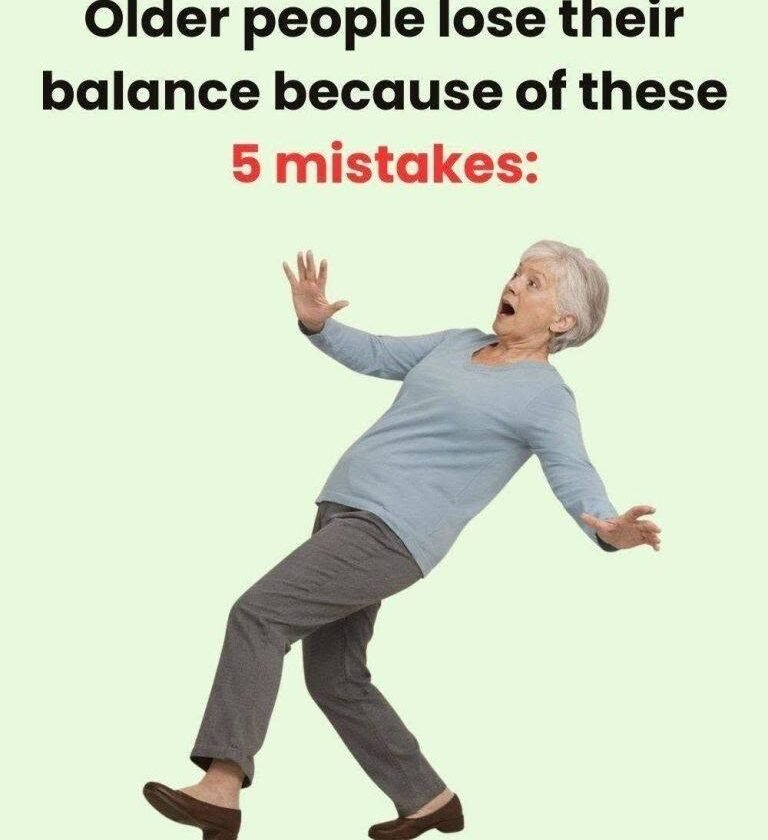
Common mistakes that can affect balance in older adults
Balance often changes with age, but falls aren’t an inevitable part of getting older. Several everyday habits can increase the risk of losing balance.
-
Being too inactive — Weak legs and reduced core strength can make it harder to recover from a stumble.
-
Avoiding balance exercises — Safe exercises such as supported heel-to-toe walking, sit-to-stands, and appropriately supervised balance training can help maintain stability.
-
Wearing unsafe footwear — Loose slippers, high heels, or worn-out soles can increase slipping and tripping.
-
Poor lighting — Especially on stairs, hallways, and during nighttime bathroom trips.
-
Leaving clutter or loose rugs around — Cords, small objects, and unsecured rugs are common trip hazards.
-
Getting up too quickly — A sudden drop in blood pressure can cause dizziness or unsteadiness.
-
Ignoring vision problems — Poor vision can make obstacles and changes in floor height harder to detect.
-
Taking medications without reviewing them — Some medicines can cause dizziness, drowsiness, or low blood pressure. A pharmacist or doctor can review the complete medication list.
-
Not using prescribed walking aids correctly — A cane or walker should be properly fitted and used as instructed.
-
Trying to “push through” repeated dizziness — Frequent dizziness, new unsteadiness, or unexplained falls deserve medical evaluation.
🚨 Don’t assume a sudden balance problem is just aging
Sudden loss of balance, especially together with facial drooping, one-sided weakness/numbness, speech difficulty, severe headache, or vision changes, can be a sign of a stroke and requires emergency medical attention.
If someone has had repeated falls or is becoming noticeably unsteady, a healthcare professional can assess vision, strength, gait, blood pressure, medications, and inner-ear function to identify potentially treatable causes.