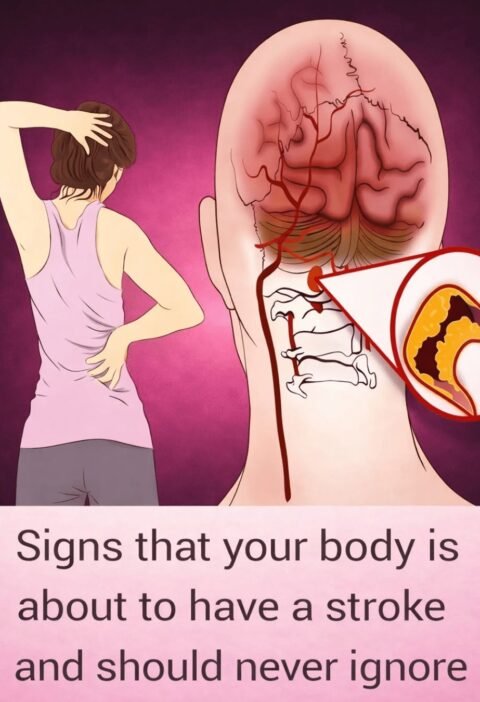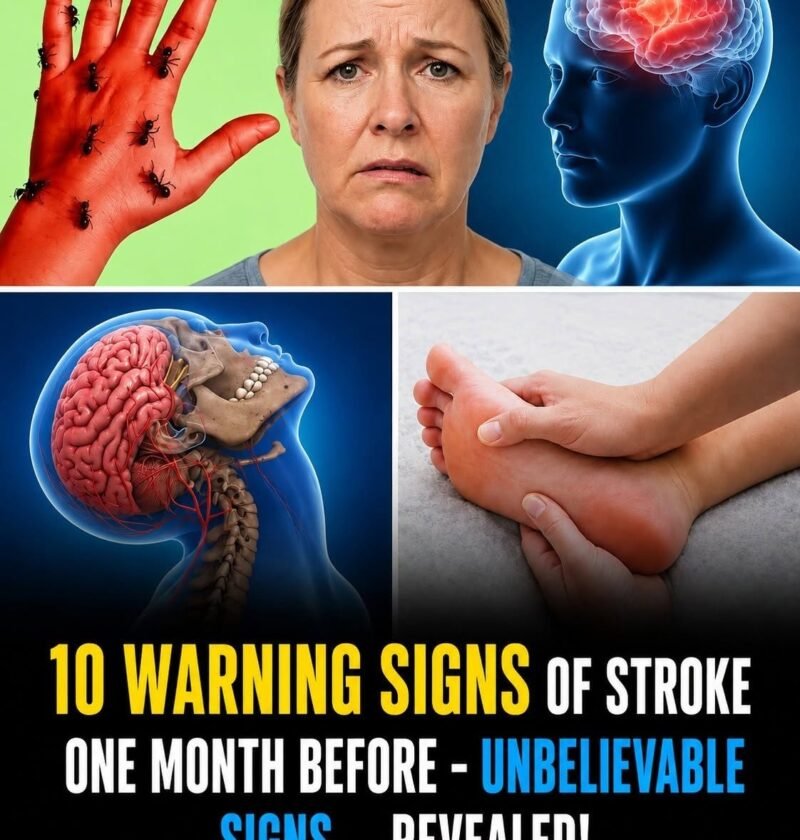
10 Stroke Warning Signs That Could Appear Before an Attack
One important correction: a stroke does not always give days of warning. The most important warning event is a transient ischemic attack (TIA)—sometimes called a “warning stroke”—which produces stroke-like symptoms that may disappear within minutes or hours. A TIA is a medical emergency because it can precede a major stroke. www.stroke.org+1
1. Sudden numbness or weakness
Numbness or weakness of the face, arm, or leg—particularly on one side of the body—is one of the classic warning signs. CDC
2. One side of the face drooping
A person may suddenly develop an uneven smile or feel numbness on one side of the face.
3. Sudden trouble speaking
Speech may suddenly become slurred, confused, or difficult to produce. The person may also have trouble understanding what others are saying. www.stroke.org
4. Sudden vision changes
Temporary or sudden loss of vision, blurred vision, or double vision—particularly in one eye—can occur with a TIA or stroke. www.stroke.org
5. Sudden dizziness or loss of balance
Unexpected dizziness, difficulty walking, loss of coordination, or severe imbalance can be a stroke warning sign, especially when it begins suddenly. CDC
6. A sudden, severe headache
A sudden severe headache with no known cause, particularly when it is unlike previous headaches, warrants urgent medical attention. www.stroke.org
7. Sudden confusion
Someone may suddenly become confused, have difficulty understanding simple instructions, or seem unusually disoriented. CDC
8. Sudden difficulty walking
A person who was walking normally may suddenly stumble, veer to one side, or be unable to coordinate their movements. CDC
9. Symptoms that disappear after a few minutes
This is particularly important. If weakness, speech difficulty, vision loss, or another stroke-like symptom disappears, don’t assume everything is fine. It could have been a TIA. You cannot reliably distinguish a TIA from a stroke at home, so emergency assessment is needed. www.stroke.org
10. A combination of sudden neurological symptoms
For example, sudden arm weakness plus speech difficulty, or facial drooping plus vision or balance problems, should be treated as a possible stroke until proven otherwise.
Remember B.E. F.A.S.T.
- B — Balance: sudden loss of balance or coordination
- E — Eyes: sudden vision changes
- F — Face: facial drooping or numbness
- A — Arm: sudden weakness or numbness
- S — Speech: slurred or difficult speech
- T — Time: get emergency help immediately www.stroke.org
🚨 Don’t wait for symptoms to get worse
If any of these symptoms start suddenly, seek emergency medical help immediately—even if they disappear. Note the exact time the symptoms began, because some stroke treatments are highly time-sensitive. CDC+1
Also, don’t rely on a list like this to predict a stroke days in advance. High blood pressure, diabetes, smoking, atrial fibrillation, high cholesterol, and heart disease are important risk factors, and managing them is a major part of stroke prevention. www.stroke.org
Sources