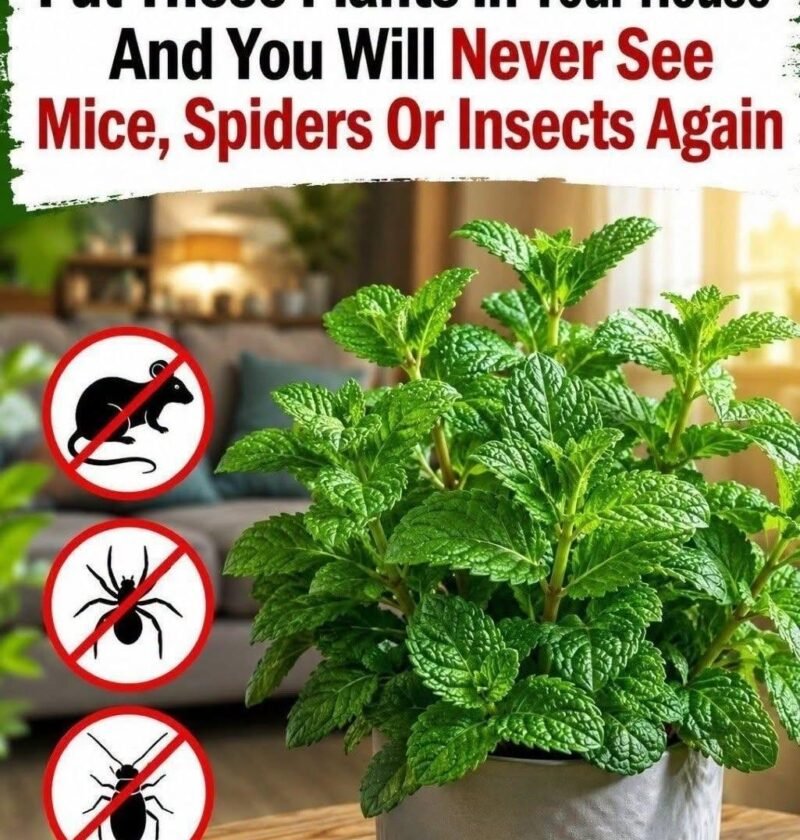
Using certain plants around your home or garden is a popular natural approach to pest management. While plants are not a magical extermination fix for a heavy infestation, many contain volatile aromatic oils that naturally deter specific pests.
8 Plants That Help Repel Pests
| Plant | Primary Pests Repelled | How It Works |
| 1. Peppermint | Spiders, mice, ants, and mosquitoes | Peppermint contains high levels of menthol. Its intense fragrance overpowers pests’ sensory receptors, making them avoid the area. |
| 2. Lavender | Moths, fleas, flies, and mosquitoes | The rich floral scent comes from linalool and linalyl acetate, which many common insects find deeply unpleasant. |
| 3. Lemongrass / Citronella Grass | Mosquitoes and gnats | Contains citronella oil, a well-known natural deterrent that masks the carbon dioxide and scents that attract bugs. |
| 4. Rosemary | Flies, mosquitoes, and garden beetles | A woody, robust herb whose aromatic essential oils act as a natural irritant to soft-bodied insects and flying pests. |
| 5. Marigolds | Aphids, mosquitoes, and tomato hornworms | Their roots and foliage emit a distinct scent (containing pyrethrum) that repels soil pests and flying insects alike. |
| 6. Chrysanthemums | Roaches, ants, ticks, fleas, and bed bugs | Chrysanthemums contain natural chemical compounds called pyrethrins, which are widely used in commercial organic insecticides. |
| 7. Basil | Houseflies and mosquitoes | The sharp, pungent aroma of fresh basil leaves makes it an excellent companion plant for patios and windowsills. |
| 8. Garlic | Aphids, spider mites, and root maggots | Garlic releases strong sulfur compounds through its roots and leaves that disrupt pests’ navigation and feeding habits. |
Maximizing Effectiveness
-
Location Matters: Placing these plants near entryways, windowsills, or outdoor seating areas creates a fragrant barrier where pests are most likely to enter.
-
Release the Oils: Brushing against the leaves, crushing a few sprigs, or using extracted essential oils in a spray will release a much stronger concentration of the active deterrent compounds than a static plant alone.
Are you looking to deter a specific pest around your home, or are you planning a garden layout?