High cholesterol usually doesn’t cause noticeable symptoms. Most people only discover it through a blood test. However, very high or long-standing cholesterol can sometimes be associated with physical signs.
5 signs that can be associated with very high cholesterol
-
Yellowish patches around the eyes — called xanthelasma.
-
Yellowish or fatty lumps on the skin — xanthomas, often around tendons, joints, or the hands.
-
A gray-white ring around the cornea — corneal arcus, especially when it appears at a young age.
-
Chest pain with exertion — usually caused by cholesterol-related artery narrowing rather than cholesterol itself.
-
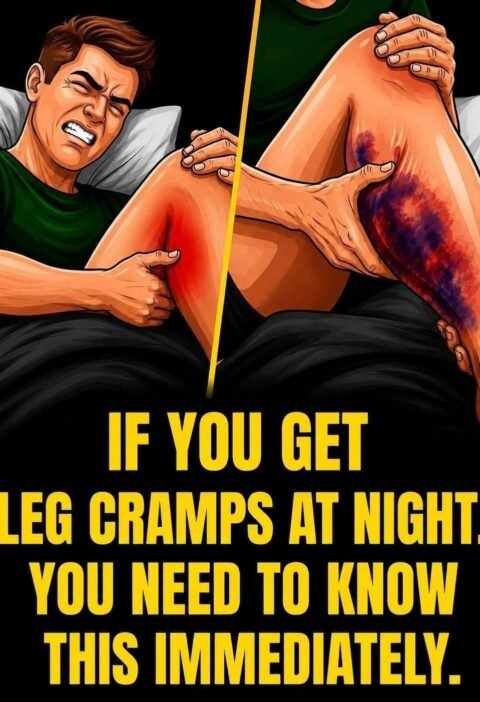
Pain, weakness, or cramping in the legs when walking — can occur when peripheral arteries are narrowed.
Important: The first three signs can occur for reasons other than high cholesterol, and the last two are symptoms of possible cardiovascular disease—not specific symptoms of cholesterol.
The reliable way to know your cholesterol level is a lipid blood test measuring LDL, HDL, and triglycerides.