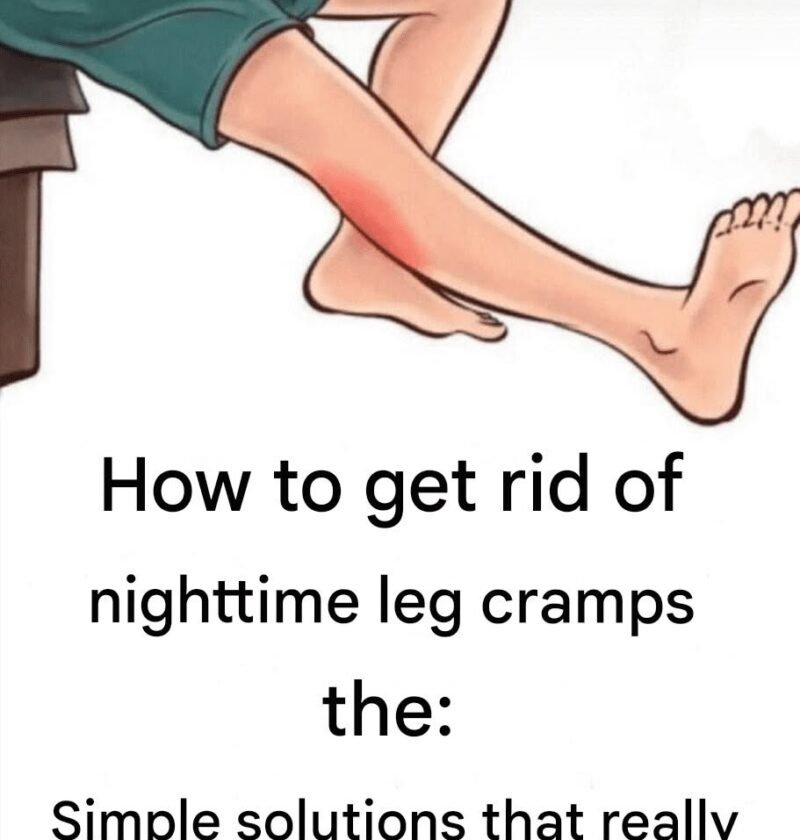
Nighttime leg cramps—often called “charley horses”—are sudden, involuntary, and intensely painful contractions of the leg muscles, most frequently striking the calf muscles, feet, or hamstrings. They usually hit just as you are drifting off to sleep or waking up, often leaving lingering soreness behind.
Here are the most effective, science-backed solutions to prevent and immediately relieve nighttime leg cramps:
Part 1: What to Do Right Now When a Cramp Hits
When a spasm strikes, your muscle is locked in a forceful contraction. You need to do the exact opposite of what the muscle is doing: gently stretch and lengthen it.
-
The Calf Stretch: If the cramp is in your calf, straighten your leg out, flex your ankle so your toes point up toward the ceiling, and pull gently on your toes or push your heel outward.
-
The Wall Press: If you can stand, step out of bed and lean forward against a wall, keeping your heels flat on the floor to deep-stretch the calf muscle.
-
Targeted Massage: Firmly massage the knotted muscle in circular motions to help the fibers relax, or apply a warm compress or heating pad to encourage blood flow.
Part 2: Simple Daily Habits to Prevent Them
If you experience cramps regularly, prevention is all about addressing the root causes: hydration, electrolyte balance, and muscle flexibility.
1. Rehydrate and Balance Electrolytes
-
The Cause: Fluid depletion and imbalances in key electrolytes—specifically magnesium, potassium, and calcium—disrupt normal nerve signaling, making muscles prone to erratic firing and spasms.
-
The Fix: Drink adequate water throughout the day. Incorporate magnesium-rich foods into your diet (such as pumpkin seeds, almonds, spinach, and avocados) or talk to your doctor about whether a magnesium supplement (like magnesium glycinate) is right for you.
2. Stretch Before Bedtime
-
The Cause: Muscles that remain shortened or inactive for hours during sleep are much more vulnerable to sudden cramping.
-
The Fix: Spend 5 minutes doing light calf and hamstring stretches right before you crawl into bed to keep the muscle fibers limber.
3. Evaluate Your Footwear and Sleeping Position
-
The Cause: Wearing high heels or stiff-soled shoes during the day forces your calves and foot arches to contract continuously. Additionally, sleeping with your toes pointed straight down (like a ballerina) shortens the calf muscles all night long.
-
The Fix: Choose supportive, flexible footwear during the day. When sleeping on your back or side, try to keep your feet in a neutral position (like they are resting flat against an invisible wall) rather than pointing your toes.
⚠️ When to See a Doctor:
While occasional nighttime cramps are a normal nuisance—especially as we age or during pregnancy—you should consult your physician if your cramps are severe, happen every single night, are accompanied by noticeable leg swelling, redness, or weakness, or if they occur in your arms as well. Chronic cramping can sometimes point to underlying circulatory issues, nerve compression, or metabolic conditions.