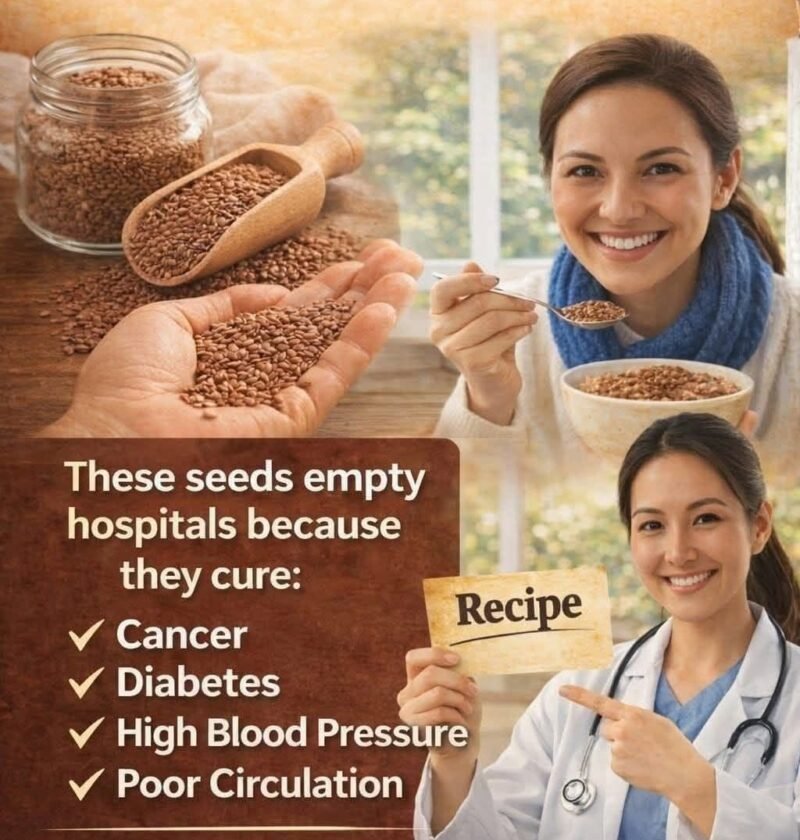
Headlines claiming that “cancer is afraid” of certain foods or that specific seeds can “fight cancer naturally” are classic clickbait. Cancer is not a single disease or a living organism that reacts to fear—it is a complex group of over 100 distinct cellular conditions driven by genetic mutations, uncontrolled cell growth, and disrupted signaling pathways. No seed, food, or natural remedy can cure cancer or act as a standalone treatment.
That said, these viral lists almost always point to nutrient-dense seeds that do have real, well-studied roles in a cancer-risk-reducing dietary pattern. Whole plant foods rich in fiber, healthy fats, and polyphenols help lower chronic inflammation, support a healthy gut microbiome, and aid healthy weight management—all of which meaningfully influence long-term cancer risk.
The 6 Seeds Usually Highlighted—and What Science Actually Shows
-
Flaxseeds:
-
Why they make the list: Rich in lignans (plant compounds with weak phytoestrogen and antioxidant activity), soluble and insoluble fiber, and alpha-linolenic acid (ALA), a plant omega-3 fatty acid.
-
What research shows: Observational and early clinical studies suggest flaxseed can support healthy bowel regularity and favorable hormone/lipid profiles, with ongoing research in breast and prostate cancer nutrition. However, it does not cure or treat cancer on its own. (Tip: Ground flaxseed is absorbed much better than whole seeds).
-
-
Chia Seeds:
-
Why they make the list: Loaded with viscous soluble fiber, ALA omega-3s, and antioxidant polyphenols.
-
What research shows: High-fiber diets are consistently linked with lower risk of colorectal cancer and better metabolic health. Chia seeds help feed beneficial gut bacteria and stabilize blood sugar, though their direct anti-cancer effects in humans remain indirect and supportive rather than curative.
-
-
Pumpkin Seeds (Pepitas):
-
Why they make the list: Provide zinc, magnesium, vitamin E, phytosterols, and phenolic antioxidants.
-
What research shows: Some observational studies link higher intake of pumpkin seeds or phytosterols with lower rates of certain cancers (such as breast or prostate), largely reflecting overall healthier diets and antioxidant/anti-inflammatory support rather than a direct tumor-killing effect.
-
-
Black Seed / Kalonji (Nigella sativa):
-
Why it makes the list: Contains thymoquinone, widely studied in test tubes and animal models for antioxidant and anti-inflammatory properties.
-
What research shows: Lab and rodent experiments show interesting cellular effects, but preclinical results do not automatically translate into effective human cancer treatment. Concentrated extracts can also interact with medications or stress the liver if overused.
-
-
Sunflower Seeds:
-
Why they make the list: High in vitamin E (alpha-tocopherol), selenium, healthy unsaturated fats, and plant compounds.
-
What research shows: Getting vitamin E and selenium from whole foods supports normal immune and antioxidant defenses. Interestingly, high-dose supplemental vitamin E or selenium has not consistently prevented cancer in large clinical trials—and high doses can sometimes carry risks—reinforcing why food sources are preferred over megadoses.
-
-
Sesame Seeds:
-
Why they make the list: Contain sesamin and sesamol (lignans with antioxidant activity), healthy fats, and minerals.
-
What research shows: Like other seeds, sesame fits well into a heart- and metabolic-healthy diet that helps keep chronic low-grade inflammation in check, without acting as a medical treatment for malignancy.
-
A Crucial Safety Caveat: Beware of “Seed Cures” Like Apricot Kernels
Whenever viral posts talk about “seeds that fight cancer,” bitter apricot kernels (often promoted for amygdalin or the debunked alternative term “laetrile”) frequently circulate.
-
The Risk: Amygdalin breaks down in the body into hydrogen cyanide, a potent poison.
-
The Reality: Clinical evidence does not support laetrile or apricot kernels as an effective cancer treatment, and consuming them can cause serious cyanide toxicity (nausea, headaches, dizziness, nerve/organ damage, or worse).
How Seeds Actually Fit Into Cancer Prevention
Oncology nutrition guidelines emphasize the overall pattern of eating rather than any single “superfood”:
-
Build meals around a variety of high-fiber plant foods—vegetables, fruits, legumes, whole grains, nuts, and seeds.
-
Pair healthy nutrition with proven pillars of risk reduction: avoiding tobacco, limiting alcohol, maintaining a healthy body weight, staying physically active, getting recommended cancer screenings, and following evidence-based medical care if diagnosed.