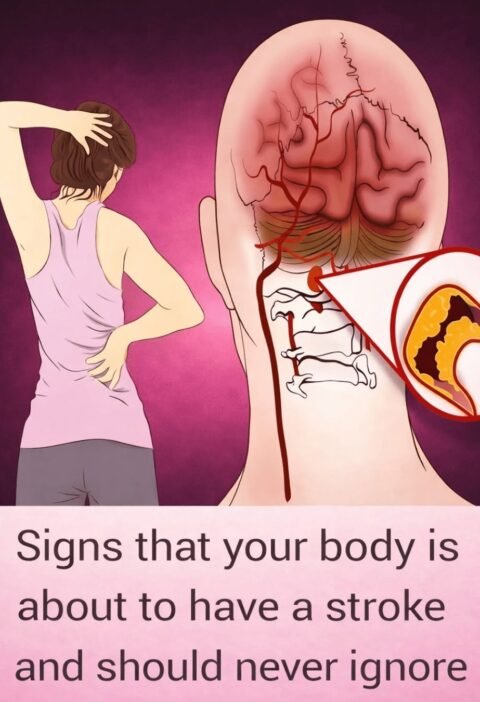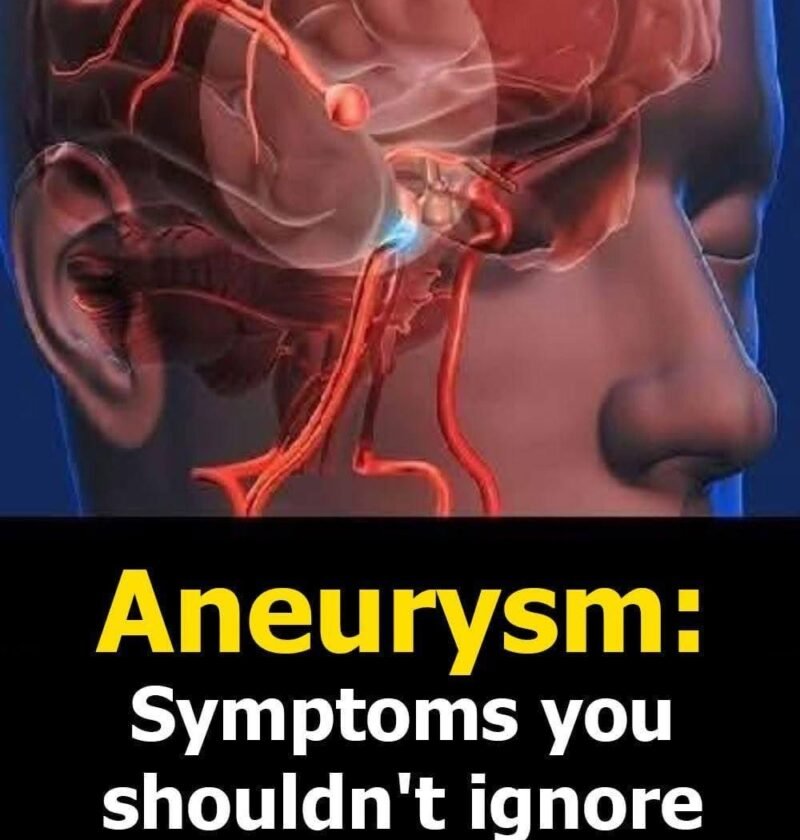
This means:
“An aneurysm can sometimes cause warning symptoms, and the post is telling you not to ignore them because an aneurysm can become life-threatening if it ruptures.”
Breakdown
“Aneurysm” = a weakened area of a blood-vessel wall that bulges outward.
“Signs” = possible symptoms or warning symptoms.
“You shouldn’t ignore” = the headline emphasizes that certain symptoms may require urgent medical attention.
“See more” = the post is withholding the actual symptoms and encouraging you to click or expand it.
Important point
Many aneurysms cause no symptoms at all, so there isn’t always a warning beforehand. Symptoms depend on where the aneurysm is located. For example, a brain aneurysm that ruptures can cause a sudden, extremely severe headache, while a ruptured abdominal aortic aneurysm can cause sudden severe abdominal or back pain, dizziness, fainting, or clammy/pale skin. These are emergencies.
N
nhs.uk
+1
A simpler version:
“Aneurysms can be silent, but certain sudden symptoms may signal a rupture and require emergency medical care.”
N
Sources