Baking soda on the face: benefits, risks, and safer use
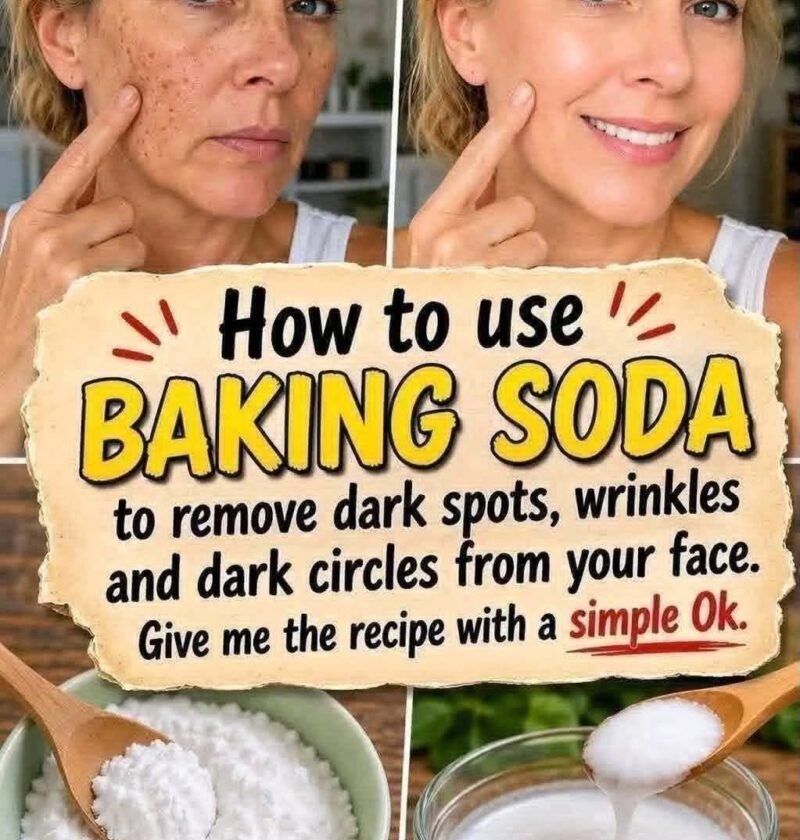
Baking soda (sodium bicarbonate) is sometimes promoted online as a facial cleanser, exfoliant, acne treatment, or skin-lightening ingredient. But there are important limitations: your facial skin is mildly acidic, while baking soda is alkaline, so frequent use can disrupt the skin barrier.
Possible benefits
Baking soda can act as a mild physical exfoliant, potentially removing some surface buildup. However, there are better-formulated facial products for exfoliation, and there isn’t strong clinical evidence that baking soda provides special benefits for acne, pigmentation, wrinkles, or facial hair.
Potential risks
Using it directly on your face—particularly as a concentrated paste or with vigorous rubbing—can cause:
Dryness and irritation
Burning, redness, or itching
Damage to the skin barrier
Increased sensitivity
Worsening of conditions such as eczema or sensitive skin
Post-inflammatory darkening after irritation, particularly in darker skin tones
Mixing baking soda with lemon juice is especially problematic: lemon juice can irritate skin and increase sensitivity to sunlight.
What about baking soda for facial hair?
It doesn’t permanently remove facial hair or destroy hair follicles. Claims that baking soda combined with baby oil, lemon, turmeric, or similar ingredients will permanently stop hair growth aren’t supported by good evidence.
If you still want to use it
The safest approach is actually not to use household baking soda as a routine facial treatment. If a dermatologist recommends a sodium-bicarbonate-containing product for a particular purpose, use the formulated product according to their instructions rather than experimenting with concentrated DIY mixtures.
For everyday facial care, a gentle cleanser + moisturizer + sunscreen is considerably safer.
If you tell me what you’re hoping to use baking soda for—facial hair, acne, dark spots, blackheads, or oily skin—I can suggest a safer evidence-based option.