If you’re looking
for a detailed explanation of“Things You Should Never Plug Into a Power Strip,” here are the main ones:
Things You Should Never Plug Into a Power Strip
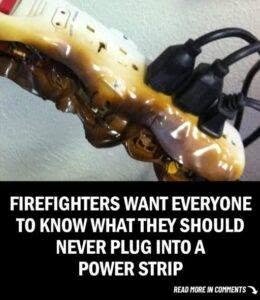
Power strips are designed for low-to-moderate power electronics, not appliances that draw large amounts of electricity for long periods. Overloading one can cause overheating, electrical damage, or even a fire.
- Space heaters — They draw a lot of power and should generally be plugged directly into a properly rated wall outlet.
- Air conditioners — Portable and window AC units can draw substantial current and may overload a power strip.
- Refrigerators and freezers — Their compressors create startup surges, so a dedicated wall outlet is preferable.
- Microwaves — They consume considerable power and are best connected directly to a suitable wall receptacle.
- Toasters and toaster ovens — Heating elements require high wattage and can overload a power strip.
- Electric kettles — These can draw very high power, particularly when heating water.
- Coffee makers — Many models use significant power while heating.
- Hair dryers and curling irons — Hair dryers in particular can draw a lot of current.
- Washing machines and dryers — These should normally use dedicated, properly rated outlets according to the manufacturer’s instructions.
- Dishwashers — Their heating elements and pumps can create substantial electrical loads.
- Large kitchen appliances — Ovens, hot plates, air fryers, and similar heating appliances are generally poor choices for power strips.
- Another power strip or extension cord — “Daisy-chaining” strips increases the risk of overloading wiring and is generally discouraged.
A simple rule
If an appliance heats, cools, or uses a powerful motor, don’t automatically assume a power strip is appropriate. Check its wattage/current rating and the power strip’s maximum rating—and follow the appliance manufacturer’s instructions.
Also, never use a damaged, hot, buzzing, sparking, or discolored power strip. If a strip or plug gets unusually warm, unplug it and investigate the cause.
If you tell me the specific appliances you have, I can make a simple “safe / use with caution / never use” list for them.