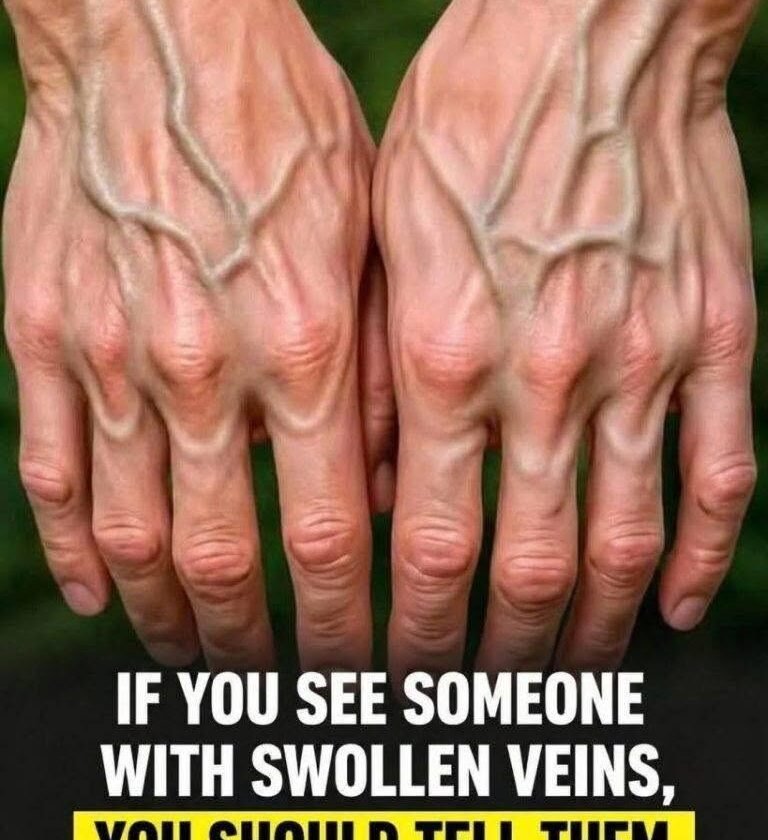
If you’re asking for the detailed meaning behind “If your veins are visible, it means you are…”, visible veins can mean several different things:
- Lean/low body fat: Less fat under the skin makes veins easier to see, especially on the hands, arms, shoulders, and legs.
- Exercise: During or after exercise, increased blood flow and temporary muscle swelling can make veins stand out (“vascularity”).
- Genetics: Some people naturally have more prominent or superficial veins.
- Heat: Warm temperatures cause blood vessels to widen, which can make veins more noticeable.
- Dehydration: Dehydration can sometimes make veins look more prominent, but visible veins do not automatically mean you are dehydrated.
- Age: Veins may become more visible as skin becomes thinner with age.
When to pay attention
A vein suddenly becoming very prominent—especially if there is pain, swelling, redness, warmth, tenderness, or a hard cord-like area—is different from simply having visible veins and should be medically assessed.
So, if the viral statement is “visible veins = dehydrated,” that’s an oversimplification. Visible veins are most commonly a normal result of body composition, genetics, activity, or temperature.