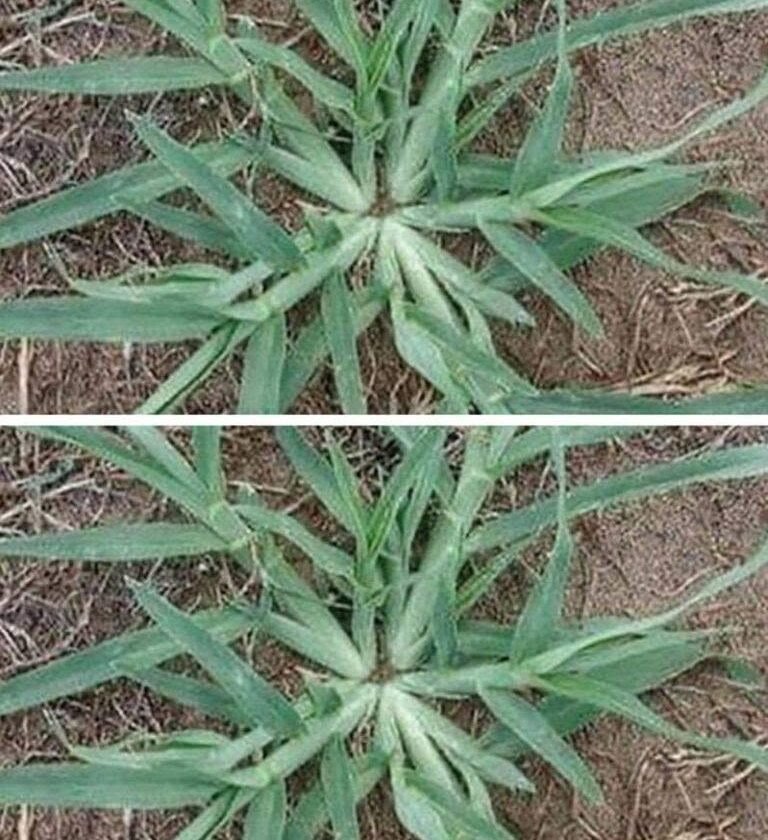
If you’re referring to the common viral claim that you should never uproot a particular “weed”, the exact plant matters. Different plants get this advice for very different reasons.
Here’s a detailed version that works well as an informative article without making an unsafe identification claim:
Never Uproot This Plant If It Appears in Your Garden
Never Uproot This Plant If It Appears in Your Garden
Not every plant that appears unexpectedly in your garden is a weed that needs to be removed. Some wild plants can support pollinators, improve soil health, provide habitat for beneficial insects, or even have traditional culinary or medicinal uses.
Before reaching for a shovel, take a closer look at the plant and identify it correctly.
Why You Should Think Twice Before Removing It
1. It may benefit pollinators
Many naturally occurring flowering plants provide nectar and pollen for bees, butterflies, and other insects. Removing every wild plant from a garden can reduce the variety of food sources available to pollinators.
2. It can contribute to garden biodiversity
A garden with a mixture of plants can provide shelter and food for insects and other small organisms. Some spontaneous plants can become part of a healthy garden ecosystem rather than simply being unwanted growth.
3. It may improve the soil
Certain plants have deep or extensive root systems that can help hold soil together and recycle nutrients. When plants eventually die and decompose, their organic matter can also contribute to soil health.
4. It might be an edible or useful plant
Some plants commonly dismissed as weeds are edible or have traditional uses. However, never eat a wild plant simply because someone online says it is beneficial. Correct identification is essential because harmless plants can resemble poisonous species.
5. It may be useful habitat
Leaves, stems, flowers, and seeds can provide shelter or food for insects and birds. Even plants that aren’t particularly attractive to us can have an ecological role.
But Don’t Keep Every Plant
“Don’t uproot it” should not mean “never remove it.”
Some plants spread aggressively, compete with crops, harbor pests, contain irritating or toxic compounds, or are invasive in certain regions. A plant that is beneficial in one location may be undesirable somewhere else.
The safest approach is to identify the plant first, then decide whether it belongs in your garden.
How to Identify an Unknown Garden Plant
Look at several characteristics rather than relying on one feature:
Leaf shape, arrangement, and texture
Stem color and structure
Flower color and shape
Height and growth pattern
Root characteristics
Fruit or seed appearance
Where and when it grows
Take clear photographs of the leaves, stem, flowers, and entire plant. A local nursery, agricultural extension service, botanist, or reliable plant-identification resource can help confirm its identity.
A Good Rule for Gardeners
Before removing an unfamiliar plant, ask:
“Is this actually a weed, or is it a plant I haven’t identified yet?”
That small pause can protect useful native plants, help local wildlife, and prevent you from accidentally handling or consuming a poisonous species.
The lesson is simple: identify first, uproot second.
If you tell me the plant’s name or upload a photo, I can give you the specific reasons people recommend keeping it, its benefits, risks, and whether it should actually stay in your garden.