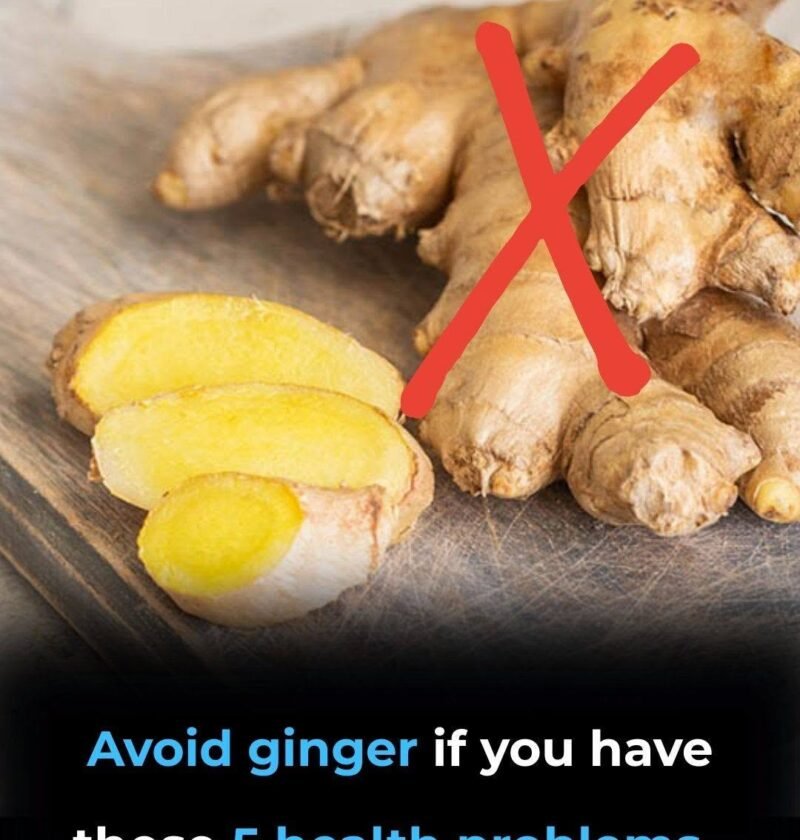
Avoid
Ginger If You Have These 5 Health Problems?
Ginger is generally safe for most people when consumed in normal food amounts
, but concentrated ginger supplements or large amounts may not be appropriate for everyone. Rather than saying people must completely avoid ginger, these are situations where caution is
sensible:
- Bleeding disorders or use of blood thinners
Ginger may have mild antiplatelet effects. If you take medicines such as warfarin or other anticoagulants/antiplatelet drugs, discuss regular high-dose ginger or supplements with your doctor. - Gallstones
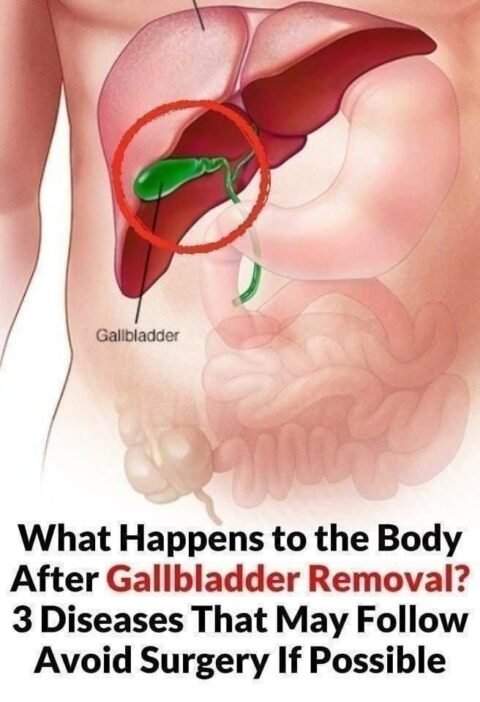
Ginger may stimulate bile flow. People with gallstones or certain gallbladder problems should ask their clinician before using large amounts or concentrated supplements. - Low blood pressure
Ginger may modestly lower blood pressure in some people. If you already have low blood pressure or take blood-pressure medication, large supplemental doses could potentially contribute to dizziness. - Diabetes or low blood sugar
Some research suggests ginger may affect blood-glucose levels. If you’re taking diabetes medication, monitor your glucose and speak with your healthcare professional before using concentrated ginger supplements. - Frequent heartburn or a sensitive stomach
Although ginger can help nausea for some people, larger amounts may cause heartburn, abdominal discomfort, or diarrhea in others. If ginger consistently worsens your reflux, reducing it makes sense.
One important distinction
Eating ginger in ordinary culinary amounts is very different from taking ginger capsules, extracts, or large quantities of ginger juice. Most concerns condition or take prescription medication, don’t stop prescribed treatment because involve higher supplemental doses or particular medical circumstances.
If you have a medical condition or take prescription medication, don’t stop prescribed treatment because of ginger. A pharmacist or doctor can check for specific interactions with your medicines.