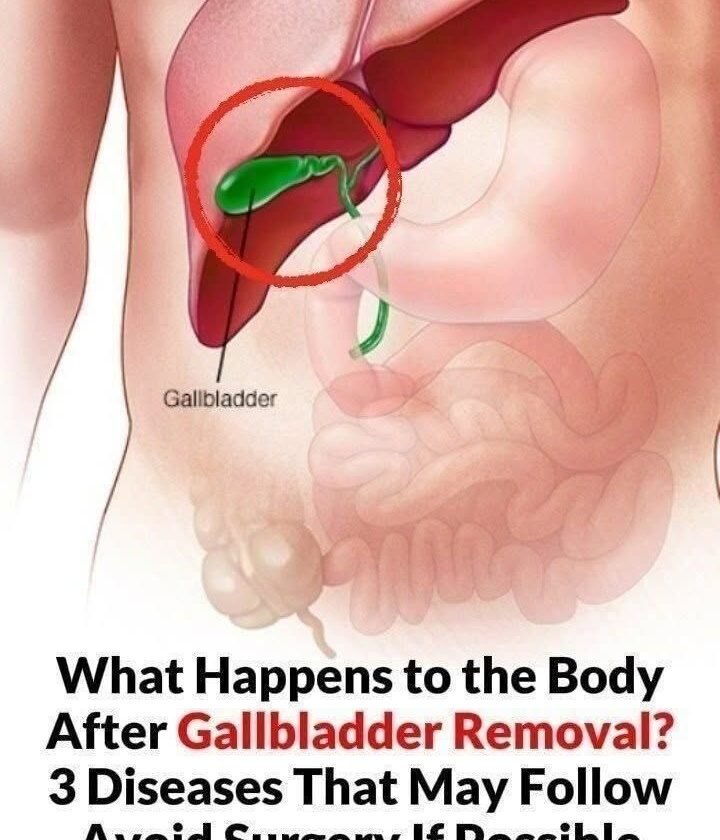
That headline is too strong and potentially misleading. Gallbladder removal (cholecystectomy) is generally considered safe, and for symptomatic gallstones or complications, avoiding necessary surgery can itself carry risks. NIDDK+1
What can actually happen after gallbladder removal?
Three recognized issues are:
- Changes in bowel habits, including diarrhea: A small number of people have softer or more frequent stools because bile flows continuously into the intestine. These changes are often temporary. NIDDK
- Bile-duct injury or bile leakage: This is an uncommon surgical complication, but it can require additional treatment or surgery. NIDDK+1
- Persistent or recurrent abdominal symptoms: Some people continue to experience abdominal pain or digestive symptoms after surgery; the cause isn’t always the gallbladder, so surgery doesn’t guarantee that every digestive complaint will disappear. NIDDK
Should you avoid gallbladder surgery when possible?
Not as a general rule. People with silent/asymptomatic gallstones often don’t need treatment, so surgery may not be necessary in the first place. But symptomatic gallstones, acute cholecystitis, bile-duct stones, and certain complications are established reasons to consider cholecystectomy. SAGE Journals+1
So a safer, evidence-based version of the headline would be:
“After Gallbladder Removal: 3 Possible Problems to Know About—and When Surgery May or May Not Be Necessary”
If you’re personally being advised to have your gallbladder removed, the decision should be based on why the surgery is recommended, your symptoms, imaging results, and your individual surgical risk, rather than a blanket rule to avoid the operation.
Sources