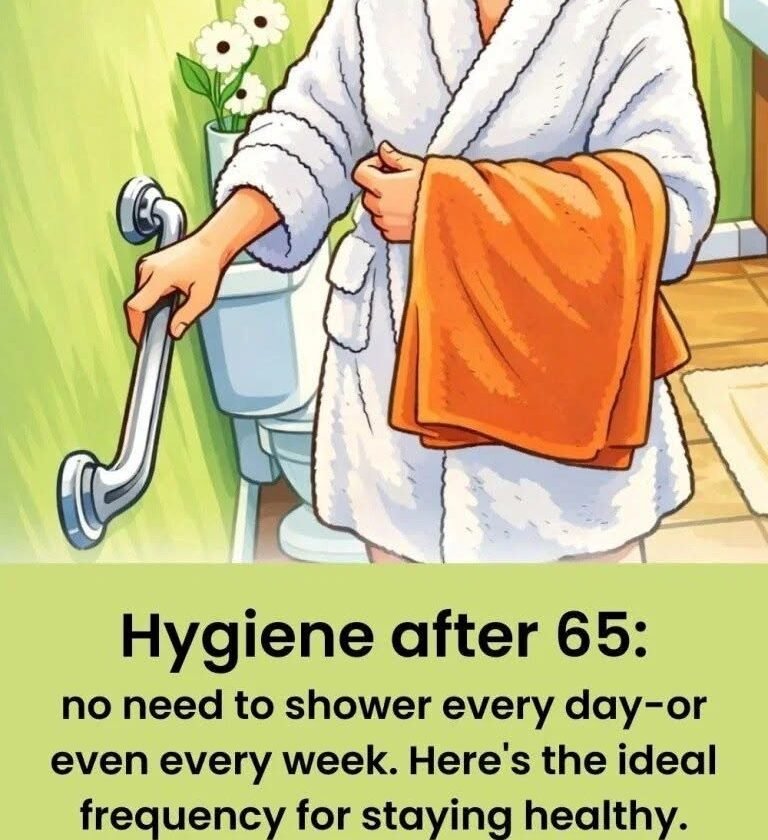
Why Daily Showers After 65 May Do More Harm Than Good
As we get older, our skin changes. It often becomes thinner, drier, and more sensitive, meaning that showering every day—especially with hot water and harsh soap—can sometimes irritate the skin rather than help it.
But that doesn’t mean people over 65 should stop showering daily. The best routine depends on skin condition, activity level, climate, and personal hygiene needs.
5 ways daily showers can affect older skin
Aging skin produces less protective oil and loses moisture more easily. Frequent long showers can make dryness worse.
Hot water, fragranced products, and harsh soaps can irritate sensitive skin and aggravate existing skin conditions.
Repeated exposure to water and cleansers can remove protective surface lipids, making it harder for the skin to retain moisture.
This is a safety consideration rather than a direct effect of showering frequency. Wet floors, slippery products, and difficulty balancing can make bathing hazardous. Grab bars and nonslip surfaces can help.
If you haven’t been sweating or getting dirty, a full-body soap wash may not be necessary every day. Cleaning key areas between showers can be sufficient for some people.
A skin-friendly bathing routine after 65
The American Academy of Dermatology recommends the following measures to help older adults protect their skin.
-
Frequency: Consider showering every other day if your skin is very dry and your hygiene needs allow it. Daily bathing is also fine if needed.
-
Temperature: Use lukewarm water rather than hot water.
-
Duration: Keep showers to about 5–10 minutes.
-
Cleanser: Choose a gentle, fragrance-free product. Focus on the armpits, groin, feet, and visibly dirty areas.
-
Moisturizer: Apply a thick, fragrance-free cream or ointment within a few minutes of bathing.
-
Safety: Use a nonslip bath mat and grab bars if balance is a concern.
Should everyone over 65 stop showering daily?
No. Age alone is not a reason to avoid daily showers. People who sweat heavily, live in hot climates, work outdoors, or need particular hygiene routines may benefit from bathing every day. People with fragile or very dry skin may feel better showering less often.
If persistent itching, cracking, bleeding, or a rash develops, consult a healthcare professional rather than simply reducing shower frequency.
The key message: After 65, focus on gentle cleansing, shorter showers, comfortable water temperature, and moisturizing—not an arbitrary rule about how often you should bathe.
Sources for further reading: