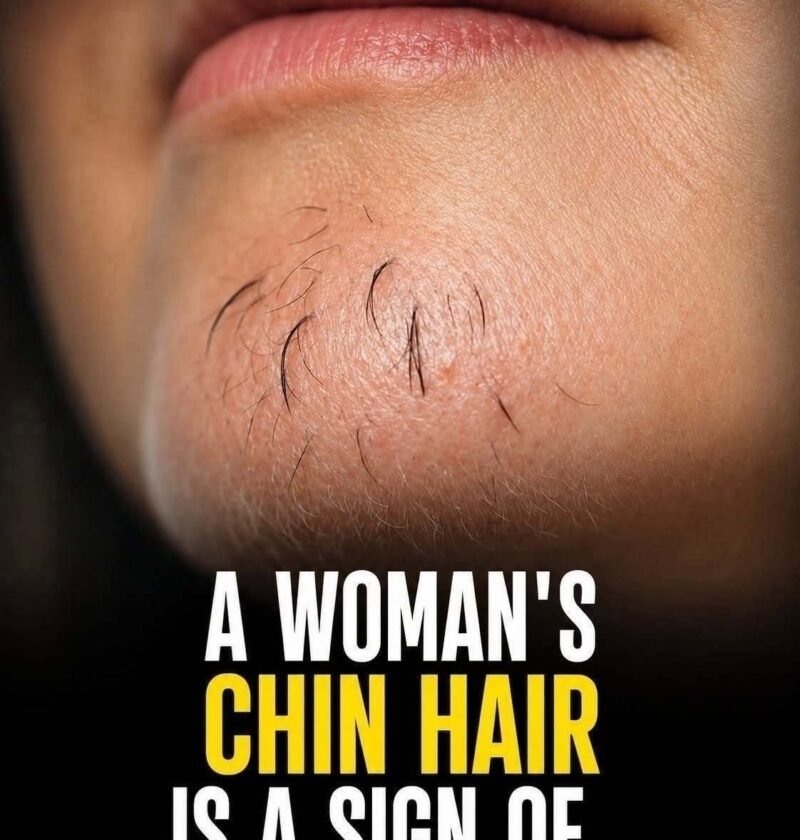
Common Causes of Chin Hair in Women
-
Genetics and Family Traits: Some women naturally inherit hair follicles that respond more strongly to normal androgen levels, even when blood tests are completely normal.
-
Normal Aging and Perimenopause/Menopause: As estrogen levels decline in your 40s and 50s, the relative ratio of testosterone to estrogen rises, often triggering a few stubborn, coarse chin hairs.
-
Polycystic Ovary Syndrome (PCOS): The most common medical cause of excess facial and body hair in reproductive-age women, often paired with irregular periods, acne, scalp hair thinning, or weight changes.
-
Medications: Certain drugs—including systemic corticosteroids, anabolic steroids, danazol, minoxidil, and some anti-seizure medications—can stimulate facial hair growth.
-
Less Common Hormonal Conditions: Conditions such as Cushing’s syndrome (excess cortisol), non-classic congenital adrenal hyperplasia, or rare ovarian or adrenal growths can raise androgen levels sharply.
Stray Hairs vs. When to See a Doctor
| Pattern | What It Usually Means | Recommended Next Step |
| A few occasional coarse hairs | Normal genetics or natural perimenopausal hormone shifts | Safe to manage cosmetically (tweezing, trimming, threading, or laser hair removal) |
| Gradual increase with irregular periods or acne | Possible PCOS or mild hormone imbalance | Schedule a routine visit with a primary care doctor or gynecologist/endocrinologist |
| Sudden, rapid growth of thick facial/body hair | Potential sharp spike in androgens | Seek prompt medical evaluation—especially if paired with a deepening voice, missed periods, or rapid muscle/weight shifts |
Safe Ways to Remove or Manage Chin Hair
-
Gentle at-home methods: Trimming with small scissors, tweezing isolated hairs, or threading works well for scattered hairs. Avoid harsh chemical depilatories on sensitive facial skin without patch-testing first.
-
Long-term reduction: Laser hair removal (best for dark hair on lighter-to-medium skin tones) and electrolysis (effective on all hair colors, including gray or white) permanently reduce stubborn follicles over multiple sessions.
-
Medical treatments (if diagnosed with hirsutism): A doctor can discuss targeted options such as prescription eflornithine cream (which slows facial hair regrowth) or hormone-regulating treatments if PCOS or another endocrine condition is confirmed.