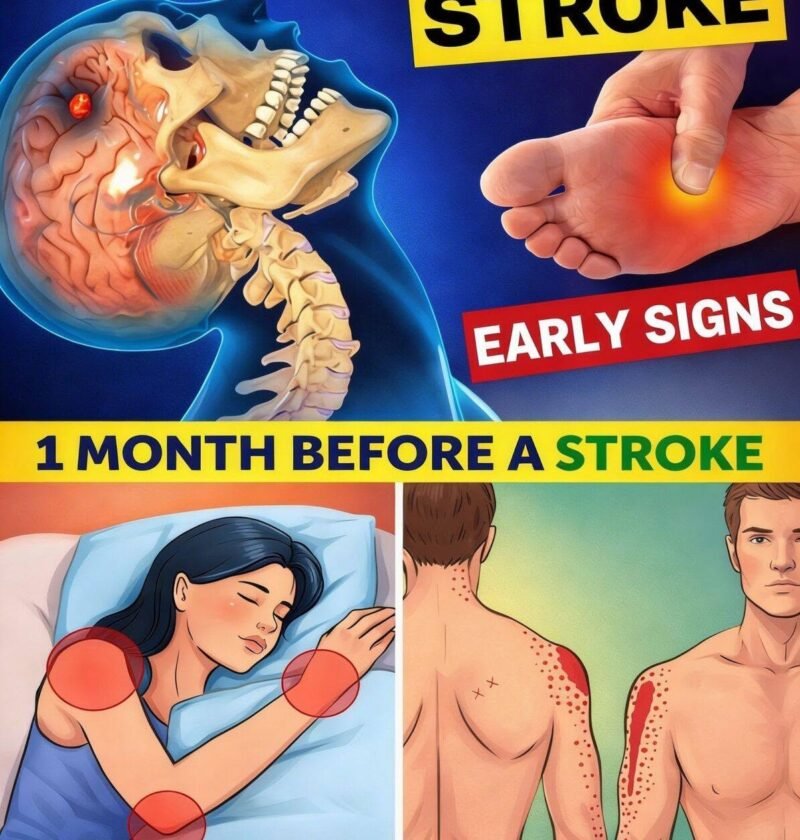
8 Warning Signs Often Highlighted in Stroke & TIA Lists
-
One-Sided Face Drooping: Sudden drooping, sagging, or numbness on one side of the face, often noticed when smiling.
-
One-Sided Arm or Leg Weakness: Abrupt weakness, heaviness, or numbness in an arm or leg, such as one arm drifting downward when both are raised.
-
Speech or Comprehension Trouble: Sudden slurred speech, difficulty finding words, or trouble understanding simple sentences.
-
Vision Changes: Sudden blurred vision, double vision, or partial/complete vision loss in one or both eyes.
-
Balance or Coordination Loss: Sudden dizziness, unsteadiness, stumbling, or loss of coordination without an obvious cause.
-
One-Sided Numbness or Tingling: Abrupt “pins and needles” or reduced sensation down one side of the face, arm, or leg.
-
Sudden Confusion: Rapid-onset difficulty thinking clearly, following a conversation, or knowing where you are.
-
Sudden Severe Headache: A sudden, intense headache with no clear cause—particularly if paired with neck stiffness, vomiting, or neurological changes.
9 Evidence-Based Ways to Lower Stroke Risk
-
Control Blood Pressure: Hypertension is the leading modifiable contributor to stroke. Check blood pressure regularly and follow prescribed treatment and sodium-reduction guidance.
-
Quit Tobacco and Avoid Secondhand Smoke: Smoking damages blood vessels and raises stroke risk substantially; quitting lowers risk over time.
-
Manage Blood Glucose: Keep diabetes or prediabetes well controlled through nutrition, physical activity, and prescribed care to protect arteries.
-
Lower Elevated LDL Cholesterol: Reduce saturated and trans fats and follow medical guidance on lipid management to limit artery plaque buildup.
-
Stay Physically Active: Aim for regular moderate-intensity aerobic movement—such as brisk walking—across the week.
-
Eat a Fiber-Rich, Balanced Diet: Emphasize vegetables, fruits, whole grains, legumes, and healthy unsaturated fats while limiting excess salt and added sugars.
-
Maintain a Healthy Weight and Waistline: Gradual weight management improves blood pressure, blood sugar, and blood lipids together.
-
Limit or Avoid Alcohol: Heavy or binge drinking raises blood pressure and stroke risk.
-
Treat Heart Conditions & Reduce Air Pollution Exposure: Get evaluated for irregular heart rhythms like atrial fibrillation, take prescribed preventive therapies as directed, and limit exposure to indoor/outdoor smoke and air pollution.