Stray Chin Hairs vs. True Hirsutism: What It Actually Signals
| Pattern of Hair Growth | What It Looks Like | Most Common Real Causes |
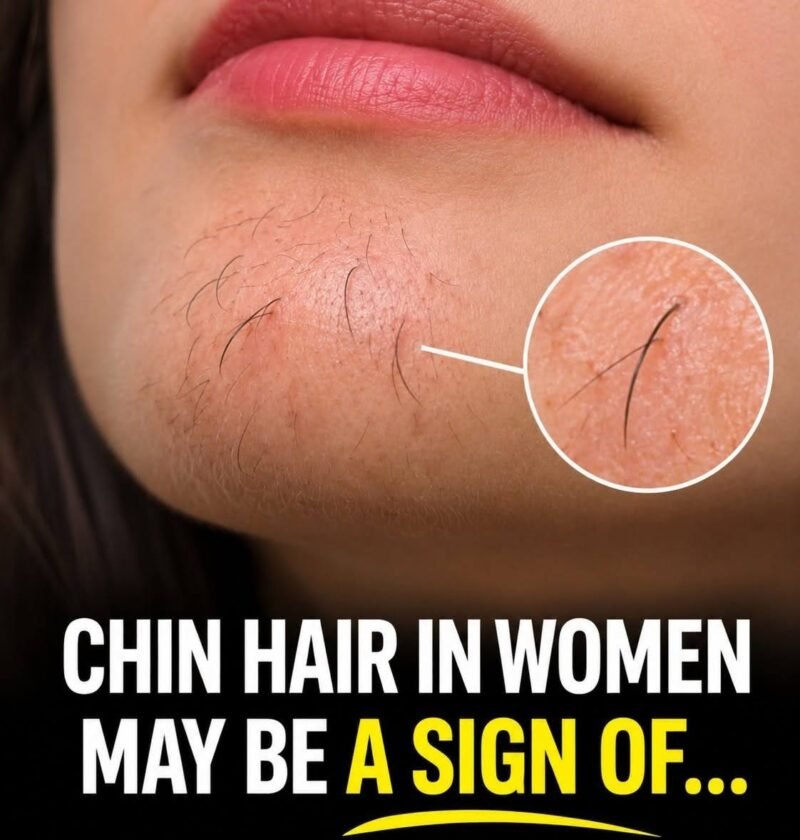
| A few stray coarse hairs (1 to several hairs that pop up periodically) | Isolated dark or wiry hairs on the chin or jawline that pluck out easily and regrow slowly. |
• Genetics & family traits (hair follicles naturally vary in sensitivity to normal androgen levels)
• Perimenopause & menopause (as estrogen declines, normal baseline testosterone has slightly stronger local influence on chin follicles)
|
| Widespread coarse dark hair (Hirsutism) | Thick, pigmented terminal hair spreading across the chin, jawline, upper lip, chest, lower abdomen, or inner thighs (male-pattern distribution). |
• Polycystic Ovary Syndrome (PCOS) — the most common medical cause (often paired with irregular periods, acne, or scalp hair thinning)
• Insulin resistance (high insulin stimulates ovarian androgen production)
• Medications (certain steroids, danazol, minoxidil, or specific hormonal therapies)
• Less common endocrine conditions (non-classic congenital adrenal hyperplasia, Cushing’s syndrome, or thyroid/prolactin disorders)
|
What Clickbait Articles Get Wrong
-
Plucking or shaving does NOT make chin hair grow back thicker or darker: Hair shaft thickness and color are determined deep inside the follicle bulb beneath the skin—cutting or plucking the tip only blunts the end temporarily so it feels stubbly as it emerges.
-
“Hormone detox” teas and supplements do not turn off hair follicles: Once a hair follicle converts into a coarse terminal follicle, herbal teas cannot reverse it; meaningful reduction comes from addressing underlying insulin/androgen drivers medically (when present) or using targeted hair removal.
Safe Removal Options & When to Get Checked
-
For a few stray hairs: Gentle tweezing (pulling in the direction of growth with clean tweezers), trimming, or electrolysis (the only FDA-recognized method for permanent removal of individual light or dark hairs) works cleanly without irritating skin.
-
For denser or recurring chin hair: Laser hair reduction works well on dark hair against lighter skin tones (though paradoxical stimulation can occasionally happen on fine facial fuzz if settings aren’t tailored), while prescription eflornithine cream slows facial hair regrowth rate. Avoid aggressive waxing or harsh depilatories if you are prone to ingrown hairs or post-inflammatory dark spots.
When to see a doctor: Book a medical evaluation if chin hair is spreading rapidly or thick across your face, chest, or abdomen, or if it appears alongside irregular or missed periods, persistent jawline acne, thinning scalp hair, weight gain, a deepening voice, or sudden onset after menopause—simple blood tests (such as total/free testosterone, DHEA-S, TSH, prolactin, and glucose/HbA1c) can quickly clarify whether an underlying hormone issue is involved.