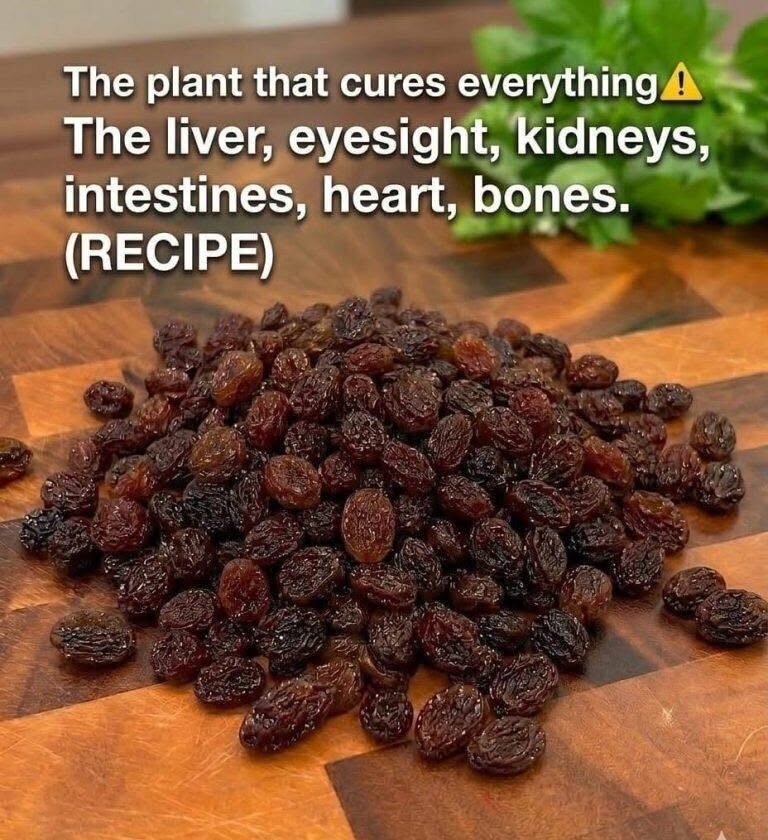
When viral health headlines claim that a single, miraculous “plant cures everything”—from your liver and kidneys to your heart, eyesight, intestines, and bones—they are relying on one of the oldest marketing tricks in the book. Whether the headline is pushing moringa, dandelion root, soursop, or turmeric, the formula is always the same: take a genuinely nutritious plant, strip away all scientific nuance, and market it as a cure-all elixir to bypass modern medicine.
From a clinical and physiological standpoint, no single plant can cure everything. The human body is made up of vastly different organ systems—each with completely unique biological structures, diseases, and requirements. A compound that supports gut health does not automatically regenerate heart tissue or cure kidney failure.
To separate botanical reality from internet hype, here is the clinical truth about what powerful plants can do, why the “cure-all” claim fails, and how to approach herbal supplements safely:
Why the “Cure-All” Claim is a Red Flag
-
Biological Complexity: Your liver metabolizes toxins, your kidneys filter blood through millions of microscopic nephrons, your bones undergo continuous cellular remodeling, and your heart pumps blood through a specialized muscular network. Each of these systems requires specific medical treatments when diseased—ranging from blood pressure medications and surgical interventions to targeted therapies—which a cup of herbal tea simply cannot replace.
-
The “Correlation vs. Cure” Trap: Many viral plants do contain beneficial antioxidants, vitamins, or anti-inflammatory compounds (such as polyphenols). Science shows these compounds can support overall wellness and help reduce chronic inflammation over time. However, reducing inflammation is a far cry from “curing” an established pathology like cirrhosis, chronic kidney disease, or coronary artery disease.
What Popular “Miracle” Plants Actually Do
Many of the plants highlighted in these viral posts are wonderful additions to a healthy diet when used correctly:
-
Turmeric (Curcumin): Widely touted as a cure-all, curcumin is a potent anti-inflammatory and antioxidant. It can help ease joint discomfort from osteoarthritis and support general metabolic health, but it will not cure bone fractures, heart disease, or failing organs. (Clinical Note: High doses of turmeric can also thin the blood or interact with gallbladder issues.)
-
Moringa / Dandelion / Leafy Greens: Rich in vitamins A, C, and K, iron, and calcium, these plants support nutritional status, digestion, and bone health. However, they act as nutritional support, not medical cures.
-
Fiber-Rich Botanicals: Plants packed with soluble fiber help regulate bowel movements (intestines) and bind to cholesterol (heart health), but they do so through mechanical digestion, not magic.
Hidden Risks of “Natural” Cure-Alls
People often assume that because a remedy is “natural,” it is entirely safe and free of side effects. This is a dangerous misconception:
-
Liver and Kidney Strain: Your liver and kidneys are responsible for processing and filtering everything you ingest. Taking massive, concentrated doses of herbal extracts or unverified “miracle” plant powders can actually overwhelm these organs, occasionally causing drug-induced liver injury or worsening kidney function.
-
Dangerous Drug Interactions: Many potent herbs interfere with prescription medications. For example, certain herbal supplements can alter how blood thinners, blood pressure medications, or diabetes drugs work, leading to dangerous spikes or drops in your levels.
The Bottom Line
Enjoy nutrient-dense plants, vegetables, and herbal teas as part of a balanced, healthy lifestyle—they are fantastic for general wellness. But if you are dealing with a diagnosed condition affecting your liver, heart, kidneys, or bones, always rely on evidence-based medicine and your physician’s guidance rather than online herbal miracle claims.
Are you looking into the health benefits of a specific herb or plant that you saw mentioned online recently?