What “2-Minute” Hacks Actually Do vs. Evidence-Based Whitening
| Method | Timeframe | What Actually Happens to Your Teeth | Safety & Effectiveness Verdict |
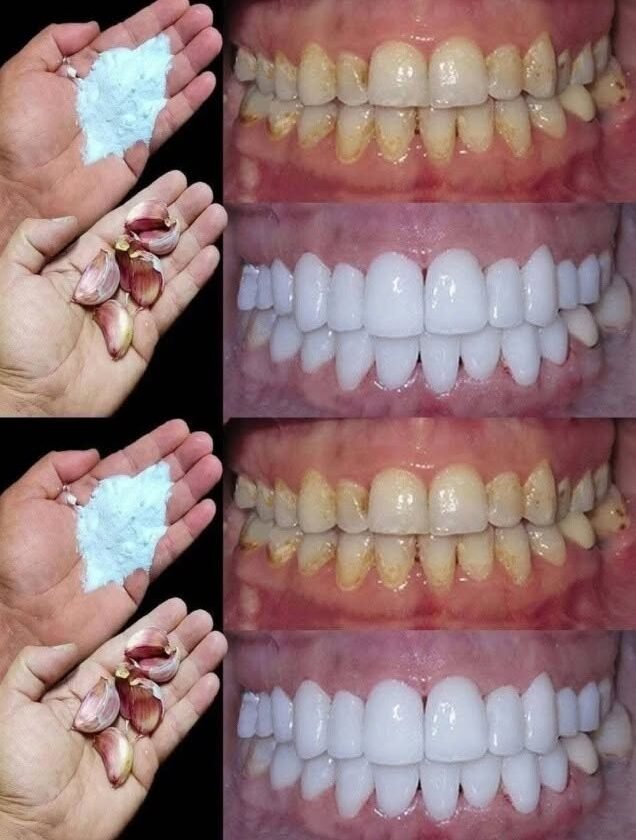
| Lemon juice, vinegar, or strawberry + baking soda paste | “2 minutes” | Acids dissolve calcium directly out of your enamel, temporarily making teeth look chalky-white while thinning the outer layer. | Harmful: Enamel never grows back; once thinned, the yellowish dentin layer underneath shows through even more strongly. |
| Activated charcoal or coarse salt/baking soda scrubs | “2 minutes” | Abrasive particles sand away soft surface film—along with microscopic layers of protective enamel. | Risky: High abrasivity scratches enamel, causes gum irritation, and creates rough grooves that trap future coffee/tea stains faster. |
| Purple color-correcting toothpaste / serum | ~2 minutes | Deposits temporary water-soluble violet dye on enamel to optically neutralize yellow tones. | Cosmetic & temporary only: Harmless if non-abrasive, but changes zero actual tooth pigment and fades within hours. |
| Whitening toothpaste (ADA-accepted / low-abrasion) | 2–6 weeks | Mild polishing agents (like hydrated silica) gently lift extrinsic (surface) stains from coffee, tea, or tobacco. | Safe for maintenance: Removes surface stains gradually, though it cannot lighten a tooth’s natural internal shade. |
| Peroxide strips, custom trays, or in-office bleaching | 1–2 weeks (strips/trays) or ~60 min (dentist) | Hydrogen peroxide or carbamide peroxide penetrates enamel pores and breaks down intrinsic (deep) stain molecules via oxidation. | Only method that truly whitens shade: Proven effective; temporary tooth sensitivity or mild gum irritation is common and reversible. |
Why Some Teeth Don’t Respond to Whitening at All
-
Crowns, veneers, and tooth-colored composite fillings do not bleach: Peroxide only lightens natural tooth enamel; whitening around existing dental work on front teeth can leave fillings or crowns looking darker than surrounding teeth.
-
Grayish or medication-related stains (such as tetracycline staining) resist surface strips: Internal discoloration from past trauma, root canals, or childhood antibiotics requires targeted dental evaluation (such as internal bleaching or veneers) rather than over-the-counter kits.
Safe, Practical Habits for Brighter Teeth Without Damaging Enamel
-
Brush twice daily for 2 minutes with fluoride toothpaste and a soft brush: Consistent, gentle plaque removal keeps surface pigments from bonding to teeth and turning into yellow-brown tartar.
-
Rinse with plain water right after coffee, tea, red wine, or dark berries: Flushing chromogens immediately prevents staining—and wait 30 minutes before brushing after acidic drinks so softened enamel can re-harden.
-
Choose peroxide-based whitening strips or dentist-fitted trays if you want real shade change: Look for established, low-sensitivity hydrogen peroxide strips or custom trays from your dentist, and pause for a day or two if teeth feel cold-sensitive.
-
Book a routine dental cleaning first: Removing hardened tartar and polished surface stains at a dental visit often brightens teeth immediately and lets any whitening product contact enamel evenly.
When to check with a dentist first: Consult your dentist before using any bleaching product if you have untreated cavities, cracked teeth, exposed root surfaces, severe cold sensitivity, bleeding gums, or crowns/fillings on your front teeth.