If You Reach 60 Without These 5 Diseases, Are You More Likely to Live to 100?
It’s an appealing claim, but there is no medical rule saying that avoiding five particular diseases at age 60 means you’ll live to 100. Longevity depends on many factors, including genetics, lifestyle, socioeconomic circumstances, environment, preventive care, and simply chance.
That said, remaining free of major chronic diseases around age 60 is generally associated with better chances of healthy longevity.
Five important conditions to prevent or manage are:
Heart disease ❤️
Cardiovascular disease is a major cause of illness and death. Controlling blood pressure, cholesterol, diabetes, smoking, weight, diet, and physical activity can reduce risk.
Stroke
High blood pressure is one of the most important modifiable risk factors. Managing blood pressure and other cardiovascular risks is crucial.
Type 2 diabetes
Maintaining a healthy weight, being physically active, and eating a balanced diet can lower risk. If diabetes develops, good glucose control can help prevent complications.
Cancer
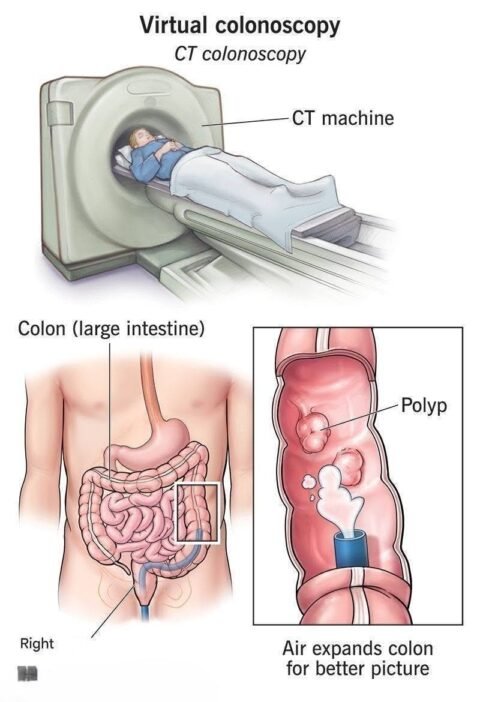
You can’t prevent every cancer, but avoiding tobacco, limiting alcohol, maintaining a healthy weight, staying active, and following recommended screening programs can reduce risk or help detect cancer earlier.
Chronic kidney disease
High blood pressure and diabetes are major contributors. Keeping these conditions controlled and avoiding unnecessary kidney-harming medications or substances can help protect kidney function.
🌱 What matters more than a “magic five”
If you’re around 60 and want to improve your chances of a long, healthy life, focus on the things you can control:
Don’t smoke.
Exercise regularly, including strength and balance activities.
Eat mostly minimally processed foods.
Keep blood pressure and cholesterol under control.
Maintain healthy blood glucose.
Get recommended cancer screenings and vaccinations.
Maintain social connections and stay mentally and physically active.
Get adequate, consistent sleep.
Take prescribed medications as directed.
Bottom line: Reaching 60 without major chronic disease is encouraging, but it doesn’t guarantee—or reliably predict—reaching 100. The goal shouldn’t simply be to reach 100; it’s to maximize the number of years you remain healthy, independent, and active.