The idea of becoming “your own dentist” to scrape away hardened tartar at home is a viral trend that sounds tempting—especially if you want to save time or money—but dentists and periodontists warn that it is dangerous and physically impossible to do safely.
Here is the truth about why DIY tartar removal tools sold online can ruin your smile, and what you can safely do at home instead.
Why You Cannot Remove Tartar at Home
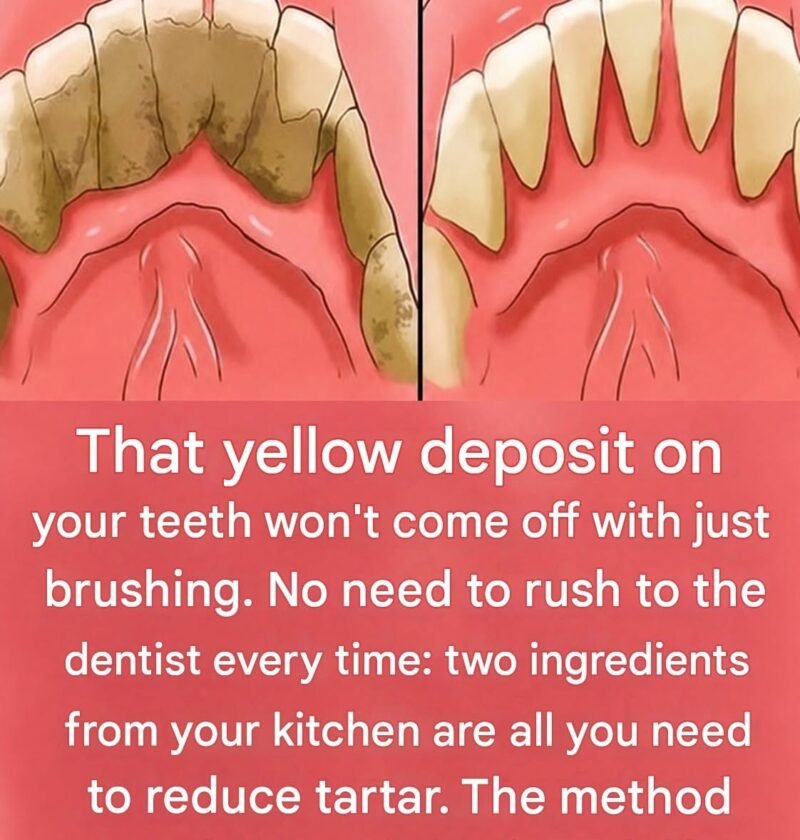
As discussed earlier, dental plaque is soft and can be brushed or flossed away. But once plaque mixes with minerals in your saliva, it calcifies into tartar (calculus).
-
Tartar binds to your tooth enamel with a bond almost as hard as cement.
-
Professional dental hygienists and dentists use specialized medical-grade stainless steel instruments (scalers and curettes) combined with ultrasonic vibrations, direct lighting, and dental mirrors to chip and shatter tartar away without destroying the tooth underneath.
The Dangers of Using DIY Dental Tools
Buying metal dental picks or scrapers online and attempting to clean your own teeth carries severe risks:
-
Shredding Your Gums: A slip of a metal pick inside a tight, slippery mouth can easily lacerate your gum tissue, leading to painful bleeding, infection, and permanent gum recession.
-
Scratching and Gouging Enamel: Dental enamel is delicate under a sharp metal edge. If you scratch the enamel, you create microscopic grooves where plaque and bacteria can cling even more aggressively, accelerating tooth decay.
-
Exposing Tooth Roots: If you scrape away gum tissue or damage the enamel near the gumline, you can expose sensitive root surfaces, leading to extreme sensitivity to hot and cold foods.
-
Pushing Infection Deeper: Instead of removing bacteria, amateur scraping can inadvertently force plaque and infected debris deeper underneath the gumline, triggering periodontal disease and bone loss.
What You Can Do at Home (Prevention Is Your Real Power)
While you cannot remove existing tartar at home, you have complete control over stopping new tartar from forming:
-
Upgrade to an Electric Toothbrush: Clinical studies consistently show that sonic or rotating electric toothbrushes remove significantly more plaque than manual brushing, starving tartar of the raw material it needs to form.
-
Floss Daily Without Exception: Tartar forms fastest between teeth where your toothbrush bristles cannot reach. Daily flossing disrupts plaque before it has the 24 to 72 hours it needs to harden into tartar.
-
Use Tartar-Control Toothpaste: Look for toothpastes containing pyrophosphates or zinc citrate. While they won’t dissolve existing tartar, they help inhibit the calcification of soft plaque into hard tartar.
-
Rinse with an Antiseptic Mouthwash: An antibacterial mouthwash helps reduce the overall bacterial load in your mouth, slowing down plaque accumulation.
The Bottom Line
Think of your home routine as your defense (preventing plaque from turning into tartar) and your hygienist’s office as your offense (safely removing the tartar that inevitably manages to form). Skipping professional cleanings to save a few dollars often leads to costly, painful gum treatments down the road.