What Is Atorvastatin and Why Is It Commonly Prescribed?
Atorvastatin is a cholesterol-lowering medicine in the statin family. It is sold under the brand name Lipitor as well as generic names.
It works mainly by reducing the amount of cholesterol your liver produces, which lowers LDL (“bad”) cholesterol and helps reduce cholesterol buildup in the arteries.
M
MedlinePlus
+1
Why doctors prescribe it
Atorvastatin is commonly prescribed to:
Lower high LDL cholesterol
Reduce the risk of heart attack
Reduce the risk of ischemic stroke
Reduce cardiovascular risk in people with conditions such as diabetes or established heart disease
Help prevent complications from cholesterol-related narrowing of the arteries.
M
MedlinePlus
+1
It’s particularly valuable because high cholesterol often causes no symptoms. The medication works to reduce future cardiovascular risk rather than making you feel immediately different.
Common side effects
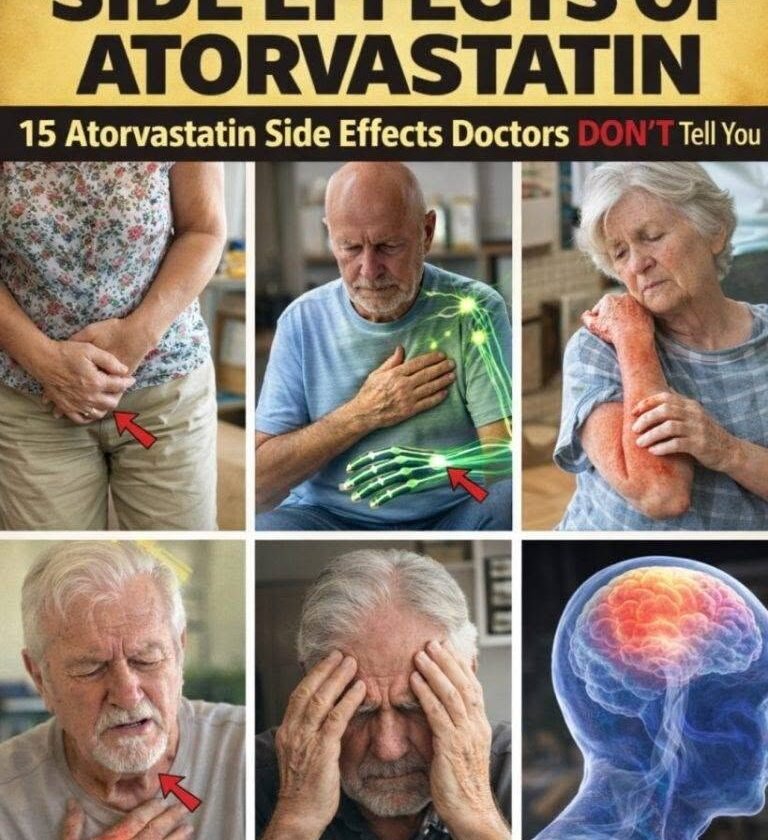
Many people tolerate atorvastatin well. Possible side effects include muscle or joint aches, diarrhea, nausea, headache, and stomach upset. Memory problems or confusion have also been reported, although these aren’t necessarily permanent.
M
MedlinePlus
+1
A rare but important problem is serious muscle injury. Contact a healthcare professional promptly if you develop unexplained severe muscle pain or weakness, particularly with dark-colored urine or unusual weakness. Liver problems are also uncommon but important.
U
U.S. Food and Drug Administration
Should you stop taking it if you feel well?
No—don’t stop atorvastatin on your own. Its benefit is largely preventive, so you may feel perfectly normal while it is reducing your cardiovascular risk. Discuss any side effects or concerns with your doctor or pharmacist before changing the dose or stopping it.
M
MedlinePlus
If you’re over 75, the decision to continue or start a statin is often individualized based on your cardiovascular history, other medical conditions, potential benefits, and side effects—not age alone.
M
MedlinePlus
If you tell me your atorvastatin dose (10, 20, 40, or 80 mg) and your age, I can explain what that dose generally means and what side effects are most important to watch for.
M
U
Sources