If you’re looking for a detailed explanation of “12 Common Amlodipine Side Effects You Need to Know About and How to Spot Them,” here’s the evidence-based version.
Amlodipine is a calcium-channel blocker used mainly to treat high blood pressure and angina. Most people tolerate it well, but side effects can occur.
N
nhs.uk
+1
12 possible side effects
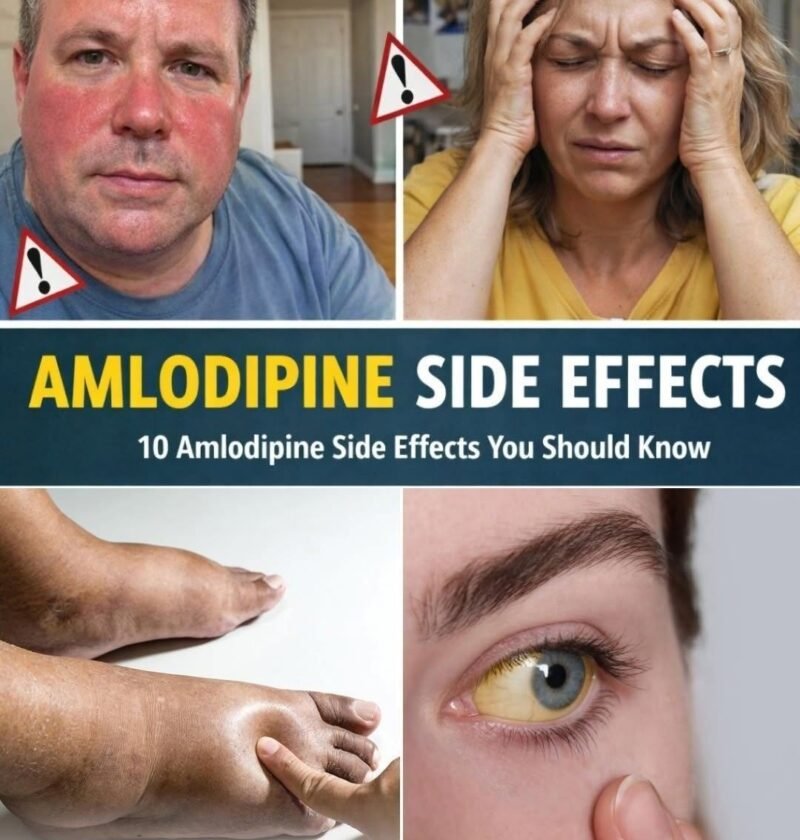
Swollen ankles, feet, or legs — Puffiness around the ankles is one of the most characteristic side effects. It can be dose-related and may develop during the first weeks or months of treatment.
N
nhs.uk
+1
Headache — You may notice a mild or persistent headache, particularly after starting treatment.
Dizziness or light-headedness — This can occur as blood pressure falls. Be careful when standing up quickly, particularly when first starting the medicine.
N
nhs.uk
Sleepiness — Some people feel unusually tired or sleepy. Don’t drive or operate machinery if you’re affected.
N
nhs.uk
Fatigue or weakness — Feeling unusually lacking in energy is a recognized adverse effect.
F
FDA Access Data
Flushing — The face or neck may suddenly feel warm and appear red.
N
nhs.uk
Palpitations — You may become more aware of your heartbeat or notice a faster heartbeat.
N
nhs.uk
Nausea — Feeling sick or queasy can occur, although it isn’t usually severe.
N
nhs.uk
Abdominal discomfort or pain — Stomach or abdominal pain has been reported with amlodipine.
F
FDA Access Data
Constipation — Changes in bowel habits, including constipation, can occur.
N
nhs.uk
Diarrhea — Some people experience loose or more frequent stools instead.
N
nhs.uk
Skin reactions/rash — A rash can occur. A severe blistering or peeling rash, however, is unusual and requires urgent medical attention.
N
nhs.uk
🚨 When should you seek urgent help?
Amlodipine’s serious reactions are rare, but seek urgent medical attention for symptoms such as difficulty breathing, swelling of the throat or tongue, a severe allergic reaction, sudden severe abdominal pain, or blistering/peeling skin.
N
nhs.uk
Also, don’t stop amlodipine on your own because you’re experiencing side effects. The NHS advises continuing it unless a doctor tells you to stop; your clinician can decide whether the dose should be adjusted or another medicine used.
N
nhs.uk
One especially important point: ankle swelling from amlodipine is common and doesn’t necessarily mean you’ve developed heart failure. However, new or worsening swelling should still be discussed with your doctor, particularly if it comes with breathlessness or other concerning symptoms.
S
SPS – Specialist Pharmacy Service
If you’re currently taking amlodipine and tell me your dose (e.g., 5 mg or 10 mg) and which symptom you’re experiencing, I can explain how typical it is and what you should discuss with your doctor or pharmacist.
N
F
S
Sources