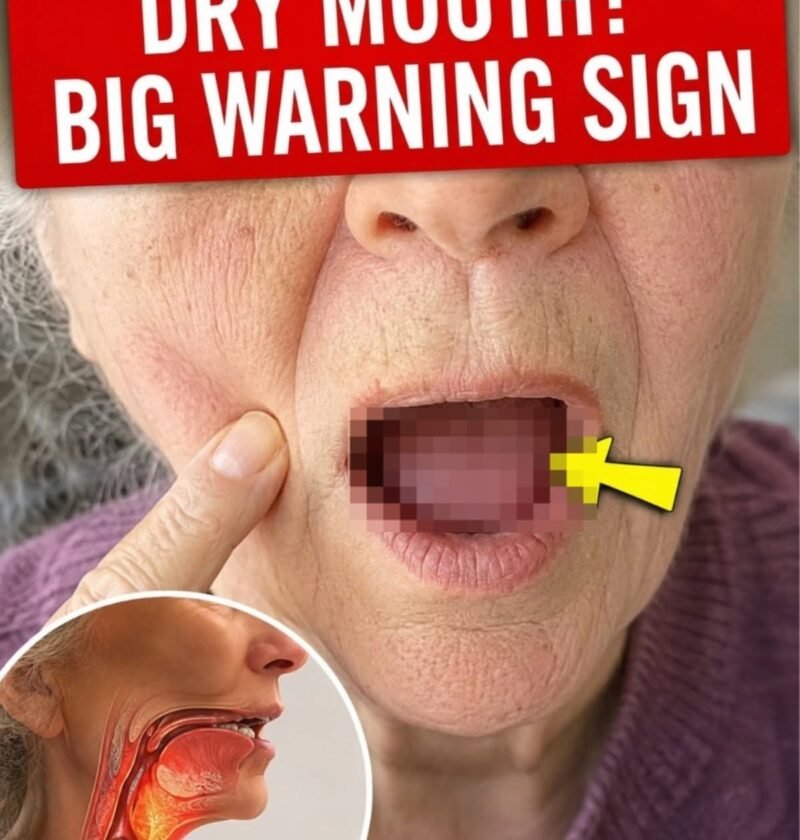
Dry Mouth Every Morning? Don’t Ignore It
A dry mouth when you wake up is fairly common because saliva production decreases during sleep. But persistent or severe morning dryness can sometimes point to an underlying problem.
N
NIDCR
+1
7 possible reasons
Sleeping with your mouth open — Nasal congestion, allergies, snoring, or mouth breathing can dry your mouth overnight.
M
Mayo Clinic
Sleep apnea — Waking with a dry mouth is a recognized symptom. Pay particular attention if you also have loud snoring, gasping/choking during sleep, morning headaches, or excessive daytime sleepiness.
M
Mayo Clinic
Medications — Many medicines can reduce saliva, including some used for high blood pressure, depression, anxiety, allergies, pain, and bladder problems. Taking several medications can make the problem more likely.
N
NIDCR
+1
Dehydration — Not drinking enough fluids can make saliva thicker and your mouth feel sticky.
Alcohol or tobacco — Both can worsen dry-mouth symptoms.
N
NIDCR
Diabetes or high blood sugar — Diabetes can cause dry mouth, particularly when blood glucose isn’t well controlled.
N
NIDCR
Salivary-gland or autoimmune conditions — Conditions such as Sjögren’s disease can reduce saliva production.
N
NIDCR
What you can do
Drink adequate fluids throughout the day.
Keep water beside your bed if you wake thirsty.
Try sugar-free gum or sugar-free candy to stimulate saliva.
Avoid tobacco and limit alcohol.
Consider a humidifier if the bedroom air is dry.
Maintain careful brushing and dental care because chronic dry mouth increases the risk of tooth decay and oral infections.
N
NIDCR
If you use CPAP, a leaking mask or breathing through your mouth can cause substantial dryness; a heated humidifier or different mask setup may help.
M
Mayo Clinic
When to get checked
See a doctor or dentist if the dryness continues for weeks, is worsening, causes difficulty swallowing, mouth sores, recurrent infections, or significant dental problems. Don’t stop a prescription medication on your own—ask your doctor or pharmacist whether it could be contributing.
And if you regularly wake up gasping, choking, or with loud snoring and significant daytime sleepiness, ask about evaluation for sleep apnea.
M
Mayo Clinic
N
M
Sources