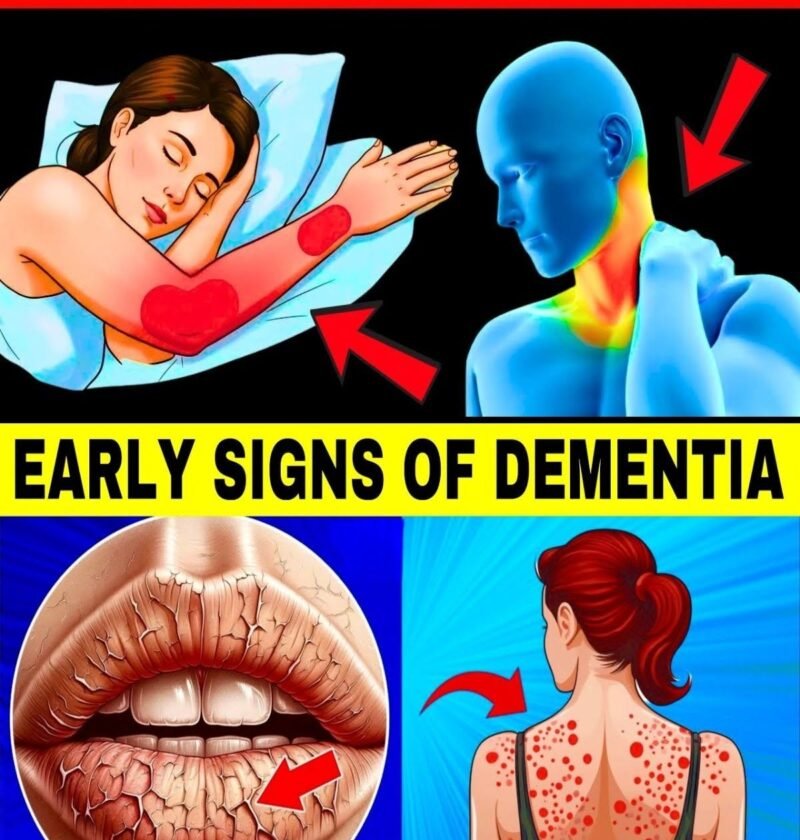
10 Early Signs of Dementia You Should Never Ignore
Occasional forgetfulness is a normal part of aging. But persistent changes that interfere with everyday life deserve medical evaluation. Dementia is not a normal part of aging, and these symptoms can have causes other than dementia, some of which may be treatable.
🧠 10 warning signs
- Memory loss that disrupts daily life — repeatedly forgetting recently learned information, important dates, or the same questions.
- Difficulty planning or solving problems — trouble managing bills, following a familiar recipe, or completing tasks that previously came easily.
- Difficulty completing familiar tasks — struggling with routine activities at home, work, or during hobbies.
- Confusion about time or place — losing track of dates, seasons, where they are, or how they got somewhere.
- Problems with visual or spatial information — difficulty judging distance, reading, recognizing objects, or navigating familiar surroundings.
- New language problems — frequently losing words, struggling to follow conversations, or using incorrect words.
- Frequently misplacing things — putting objects in unusual places and being unable to retrace steps to find them.
- Poorer judgment — unusual financial decisions, reduced attention to personal safety, or significant changes in decision-making.
- Withdrawal from social activities — abandoning hobbies, work, conversations, or activities the person previously enjoyed.
- Changes in mood or personality — becoming unusually anxious, suspicious, fearful, depressed, confused, or irritable.
What’s the difference from normal aging?
For example, occasionally forgetting someone’s name but remembering it later can be normal. Repeatedly forgetting recently learned information and being unable to recall it later is more concerning. Similarly, occasionally misplacing something is common; repeatedly losing items and being unable to retrace your steps is more concerning.
Don’t wait for all 10 signs
A person doesn’t need to have every symptom for an evaluation to be appropriate. If you notice persistent or worsening changes in memory, thinking, behavior, or ability to manage everyday activities, arrange an appointment with a healthcare professional. Early assessment can help identify the cause and, when appropriate, allow treatment and planning to begin sooner.