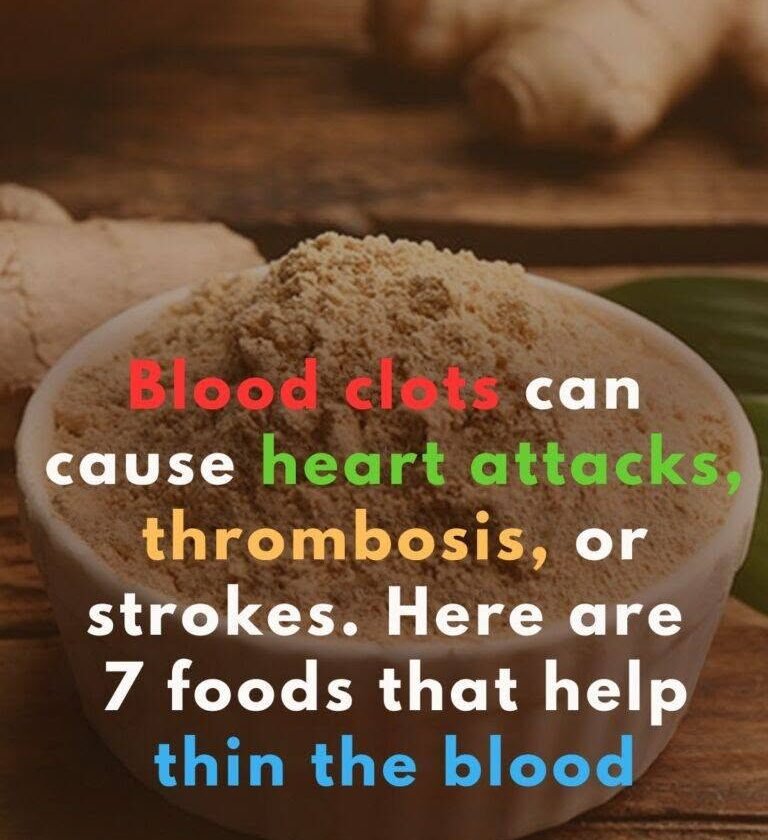
7 Foods Often Linked to Blood-Thinning or Clotting Effects
-
Fatty Fish (Salmon, Mackerel, Sardines): Rich in omega-3 fatty acids (EPA and DHA), which can mildly reduce platelet aggregation and support healthy blood vessel relaxation. Typical culinary servings support cardiovascular health, though high-dose fish oil supplements carry greater bleeding considerations.
-
Garlic: Contains sulfur compounds (such as ajoene and allicin derivatives) shown in laboratory and small clinical studies to have mild antiplatelet effects. Eating garlic in normal meals is generally fine for most people, whereas concentrated garlic supplements or large amounts alongside blood thinners warrant a pharmacist or doctor check.
-
Ginger: Contains gingerols and related compounds with anti-inflammatory properties and mild platelet-modulating effects in experimental studies. Culinary ginger is typically safe in moderation, though high-dose extracts or teas can add to bleeding risk if combined with anticoagulant or antiplatelet medications.
-
Turmeric (Curcumin): Curcumin has anti-inflammatory effects and mild antiplatelet activity in lab research. Food-level turmeric in cooking behaves very differently from concentrated curcumin supplements, which have a higher potential to interact with blood-thinning drugs.
-
Berries (Blueberries, Strawberries, Cranberries): Packed with polyphenols and natural salicylates (compounds chemically related to aspirin, though in much smaller amounts). They support vascular health as part of a balanced diet, though cranberry juice in large amounts has occasionally been flagged for potential interactions with warfarin.
-
Cinnamon: Certain varieties—especially cassia cinnamon—contain coumarin, a naturally occurring compound that can affect liver enzymes and clotting pathways if consumed in large amounts or concentrated supplements over time. Normal culinary sprinkling is routine, while heavy supplement use is not benign.
-
Dark Leafy Greens (Spinach, Kale, Mustard Greens): Often grouped into conversations about “blood thinners” for a critical reason: they are high in vitamin K, which the liver needs to make clotting factors. Rather than “thinning” the blood, vitamin K opposes warfarin—so sudden spikes or drops in leafy greens can swing INR levels, making consistent intake key if you take warfarin. (Note: Direct oral anticoagulants like apixaban or rivaroxaban do not work through vitamin K the same way warfarin does.)
Practical Safety Context
-
Foods vs. Medications: Diet alone cannot treat or prevent dangerous blood clots, atrial fibrillation-related stroke, or post-surgical clot risk. If someone has been prescribed a blood thinner, they should not stop or change their medication based on foods or supplements.
-
Watch Out for Supplements: Concentrated pills, powders, or extracts (high-dose fish oil, garlic, ginger, curcumin, ginkgo, or vitamin E) carry much stronger bleeding or interaction potential than everyday meals. Always review supplements with a doctor or pharmacist if taking aspirin, clopidogrel, warfarin, or a DOAC.