1. The Most Reliable At-Home Indicators
-
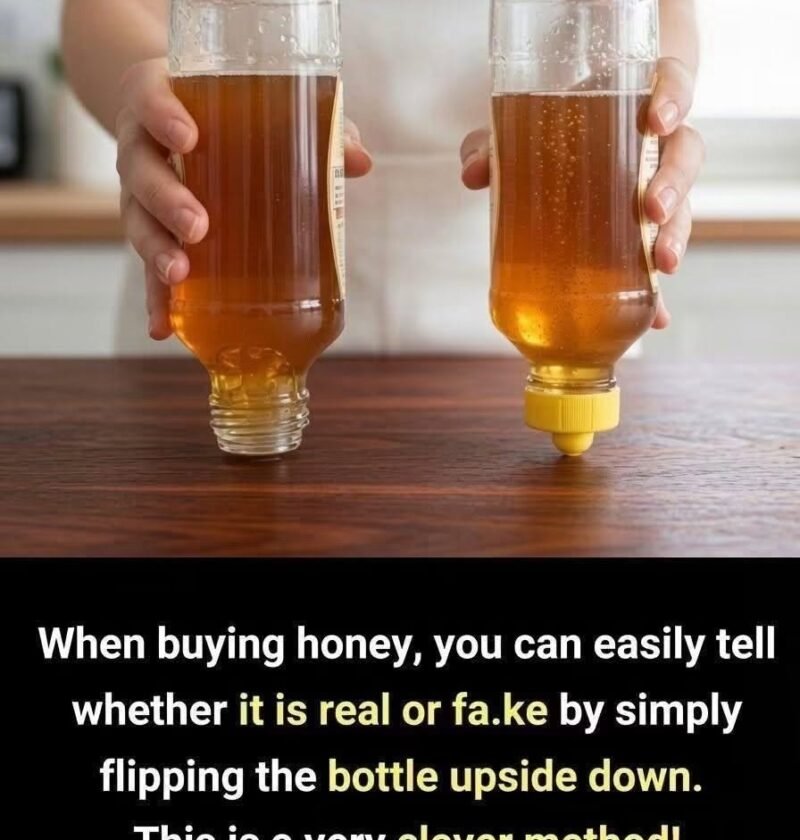
Crystallization Over Time: Real, raw honey naturally crystallizes and turns thick, cloudy, or grainy over weeks or months (especially in cooler weather) because of its high glucose-to-water ratio. Fake honey made from corn or rice syrup usually stays completely clear and liquid indefinitely. (Note: Heavily filtered or pasteurized real honey can also stay liquid longer, so liquid honey isn’t automatically fake—but crystallized honey is almost always real.)
-
Aroma and Flavor Complexity: Pure honey smells distinctly floral, herbaceous, or woody depending on the nectar source (like sidr/ber, acacia, or mustard blossoms), and its sweetness has subtle tangy or warm after-notes. Adulterated honey smells faint, neutral, or strictly like plain sugar syrup.
-
The Water Dissolution Check: Drop a spoonful of honey into a glass of room-temperature water without stirring. Pure honey is dense and tends to settle to the bottom in a cohesive lump that takes deliberate stirring to dissolve, whereas watery sugar syrups begin dispersing and clouding the water quickly.
-
The Paper Towel / Blot Test: Place a drop of honey on an absorbent paper towel or napkin. Pure honey has low moisture (typically under 18–20%) and sits as a thick bead without soaking through right away, whereas honey diluted with water or thin syrup leaves a wet ring around the drop.
2. Popular Viral Myths That Don’t Actually Work
-
The Matchstick / Flame Test: Dipping a matchstick in honey and striking it only tests moisture content, not purity. Thick commercial corn syrup has low moisture and will ignite just like pure honey, while high-moisture natural honey (such as sidr or tropical honeys) may fail to light.
-
The “Hexagon” Water-Swirl Trick: Swirling honey in a shallow plate of water does not reliably create a honeycomb pattern—any thick, viscous syrup can form ripple patterns depending on temperature and motion.
-
The Thumb Drip Test: Whether honey runs off your thumb depends on temperature and botanical variety (for example, pure acacia honey is naturally runnier than thicker multifloral honey).
3. Smart Buying Checks
-
Read the Ingredient List: It should list only one ingredient: Honey. Avoid labels mentioning high-fructose corn syrup, glucose syrup, rice syrup, invert sugar, or added flavors.
-
Look for Origin & Floral Source: Trusted honey usually specifies the floral variety (e.g., Ber/Sidr, Acacia, Eucalyptus, Wildflower) and a specific beekeeper, farm, or traceable batch rather than vague “blended from multiple countries” phrasing.
-
Check for Raw / Unfiltered Details: Raw honey often retains tiny specks of pollen, propolis, or beeswax and appears slightly hazy rather than crystal-clear like glass.