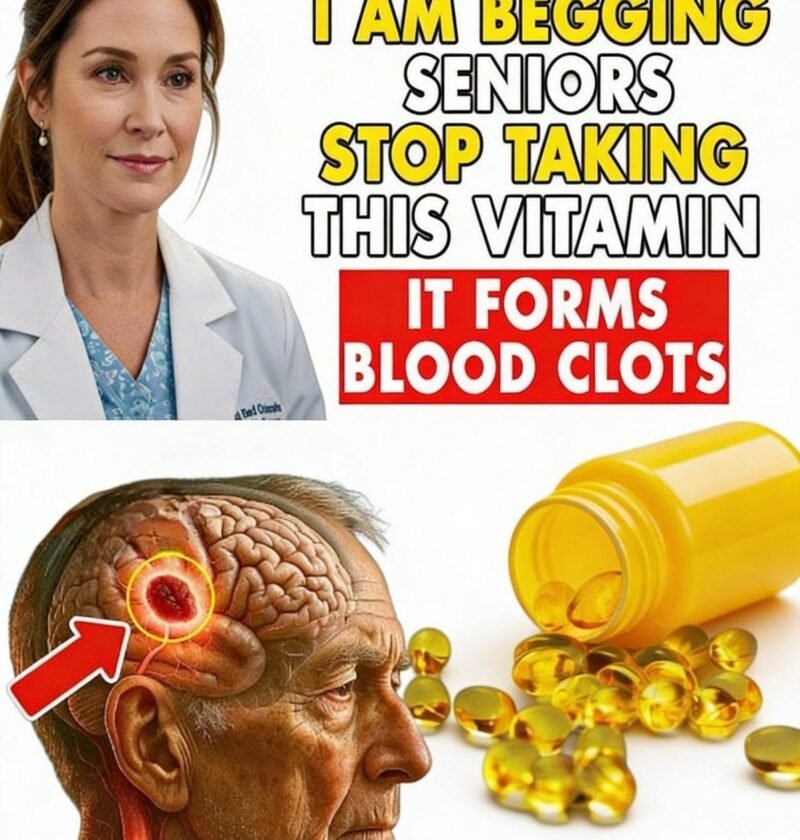
If you’re referring to the viral senior-health headline, the vitamin usually being discussed is vitamin E. But the claim that it can “raise stroke risk overnight” is misleading.
Vitamin E and stroke: what the evidence actually shows
High-dose vitamin E supplements have been associated with a higher risk of hemorrhagic stroke, a type of stroke caused by bleeding in the brain. A large meta-analysis of randomized trials found about a 22% relative increase in hemorrhagic stroke with vitamin E supplementation, while ischemic stroke risk was slightly lower.
P
PubMed
+1
That does not mean eating foods containing vitamin E suddenly becomes dangerous. The NIH says vitamin E from food has not been shown to cause these adverse effects; the concern is primarily with high-dose supplemental alpha-tocopherol.
M
MedlinePlus
+1
Why older adults should pay attention
The concern can be particularly relevant when someone is taking medications or has conditions that already increase bleeding risk. High doses of vitamin E can interfere with blood clotting, so people taking blood thinners or antiplatelet medicines should discuss supplements with their healthcare professional rather than adding high-dose vitamin E on their own.
O
Office of Dietary Supplements
Also, more recent research doesn’t establish that vitamin E supplements prevent strokes. Current stroke-prevention guidance does not recommend vitamin E supplementation for preventing stroke.
G
Guideline Central
Don’t confuse food with supplements
Vitamin E naturally occurs in foods such as:
Almonds and other nuts
Sunflower seeds
Vegetable oils
Spinach and other green vegetables
Fortified cereals
Getting vitamin E through a normal, balanced diet is very different from taking a concentrated supplement.
M
MedlinePlus
The “overnight” part is the problem
There is no evidence that taking vitamin E one evening suddenly causes a stroke overnight. The evidence concerns changes in risk associated with supplementation over time, not an immediate overnight effect.
If you’re taking vitamin E, don’t abruptly stop a prescribed supplement without discussing it with your clinician—especially if it was recommended for a documented deficiency or another medical reason.
Bottom line: High-dose vitamin E supplements deserve caution, particularly because of the potential for bleeding and hemorrhagic stroke. But the sensational claim that vitamin E simply “causes a stroke overnight” is not medically accurate.
P
M
O
Sources