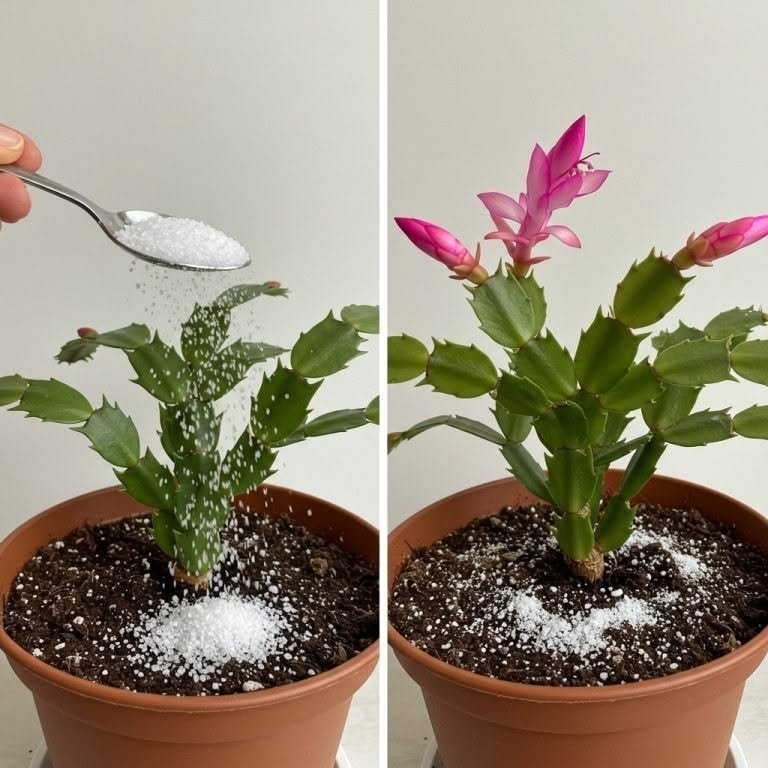
The phrase “Fall Awakening” combined with a “little secret” to revive indoor plants is a classic hook for home and garden content. As autumn arrives, many indoor gardeners notice their houseplants looking a bit tired, dropping leaves, or slowing down their growth as the days get shorter and indoor heating kicks in.
While dramatic online tips often promise miraculous overnight revivals using a single secret kitchen ingredient (like coffee grounds, eggshell water, or cinnamon tea), the real science of helping houseplants transition successfully into the cooler months is all about adapting to their changing environment.
Why Fall is a Critical Transition Period for Houseplants
As summer ends and autumn begins, two major things happen:
-
Light Levels Drop: The angle of the sun changes, and days become shorter, significantly reducing the amount of natural sunlight your plants receive through windows.
-
Indoor Climate Shifts: When furnaces or heaters turn on, indoor humidity plummets, and dry air can stress tropical houseplants that prefer moisture.
The Real “Secrets” to Awakening and Maintaining Fall Houseplants
Instead of relying on a magic potion, horticulturists recommend a few practical adjustments during the fall transition:
-
Adjust Your Watering Schedule: Because plants grow slower and soil stays wet longer in cooler, lower-light conditions, overwatering is the #1 killer of houseplants in autumn and winter. Always check the top few inches of soil before watering.
-
Relocate for Maximum Light: Move sun-loving plants closer to south- or west-facing windows to make up for the seasonal loss of daylight. Dust off their leaves gently with a damp cloth so they can absorb every bit of available light.
-
Ease Up on Fertilizer: Most houseplants go into a semi-dormant or resting phase during autumn and winter. Continuing to feed them heavy doses of fertilizer when they aren’t actively growing can burn their roots. Save heavy fertilizing for the spring growing season.
-
Combat Dry Indoor Air: Group plants together to create a microclimate of higher humidity, or place them near a pebble tray filled with water if your home gets very dry when the heat comes on.
While tending to indoor plants with a bit of extra care in the autumn is a rewarding ritual, keeping them thriving is all about matching their care routine to the changing seasons rather than looking for a quick fix.