The hook about a “telltale sign in your fingernails” revealing secrets about aging is a classic teaser for online wellness articles. While fingernails can offer clues about your overall health and biological aging, they don’t hold a magical clock that tells you your true physiological age.
However, dermatologists and physicians do look at changes in your nails as indicators of how your body is aging, as well as signs of underlying nutritional or systemic health shifts.
What Changes in Your Nails As You Age?
Just like your skin and hair, your nails undergo natural structural changes over time due to a slowdown in cell turnover, decreased moisture retention, and reduced micro-circulation:
-
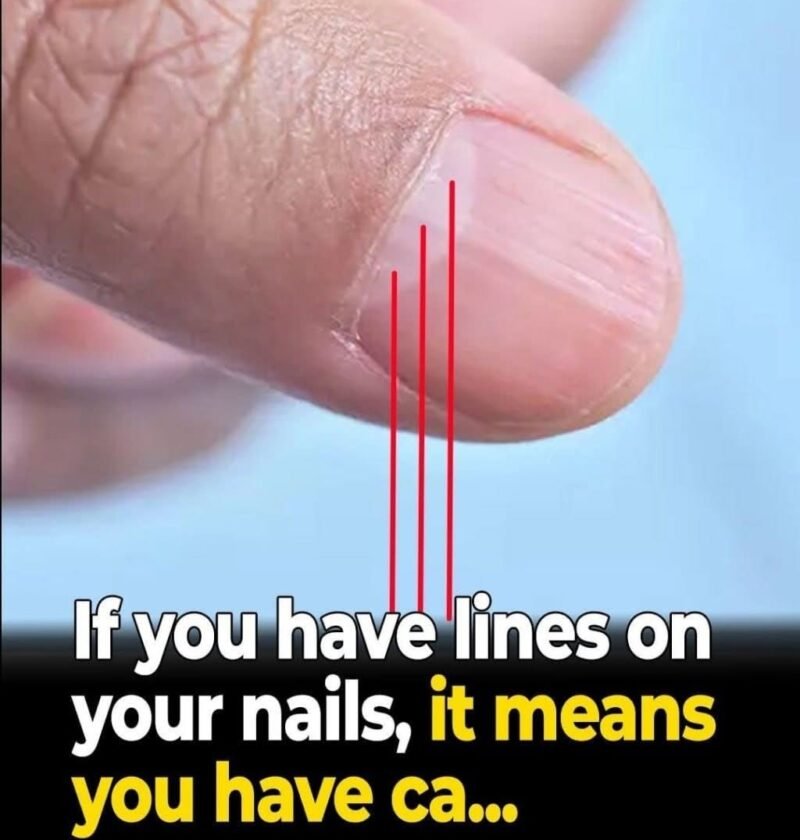
Vertical Ridges (The Most Common “Aging” Sign): If you notice lines running from your cuticle to the tip of your nail, you are seeing vertical ridges. Much like wrinkles on the skin, these become increasingly common as you get older. They are generally harmless and simply reflect a natural slowing of nail cell production and increased dryness.
-
Slowing Growth Rate: Nails grow significantly slower as we age—often taking twice as long to replace themselves compared to childhood.
-
Increased Brittleness and Splitting: Aging nails tend to lose their natural moisture and lipid content, making them more prone to peeling, splitting, or breaking easily.
Nail Signs That Actually Warrant Attention
While vertical ridges and brittle nails are usually just a normal part of getting older, doctors pay attention to specific, sudden changes that can signal underlying medical conditions:
-
Horizontal Ridges (Beau’s Lines): Deep grooves that run across the nail horizontally are not normal aging. They indicate that nail growth was temporarily interrupted by a severe illness, high physical stress, surgery, or a major nutritional shock.
-
Nail Discoloration or Spotting: Persistent yellowing, dark streaks under the nail bed, or nails turning entirely white can sometimes point to systemic issues involving the liver, kidneys, lungs, or circulation.
-
Clubbing: When the fingertips widen and the nails curve downward around the fingertips, it can indicate chronic low oxygen levels associated with heart or lung conditions.
The Verdict
Finding a few ridges or noticing your nails are drier than they used to be is simply a normal part of the body’s timeline. While good hydration, a balanced diet rich in biotin and proteins, and protecting your hands from harsh chemicals can keep your nails healthier, your fingernails are a reflection of daily care and overall health—not a crystal ball for your biological age.