⚠️ “These Tablets May Cause Blood Clots” — What You Should Know
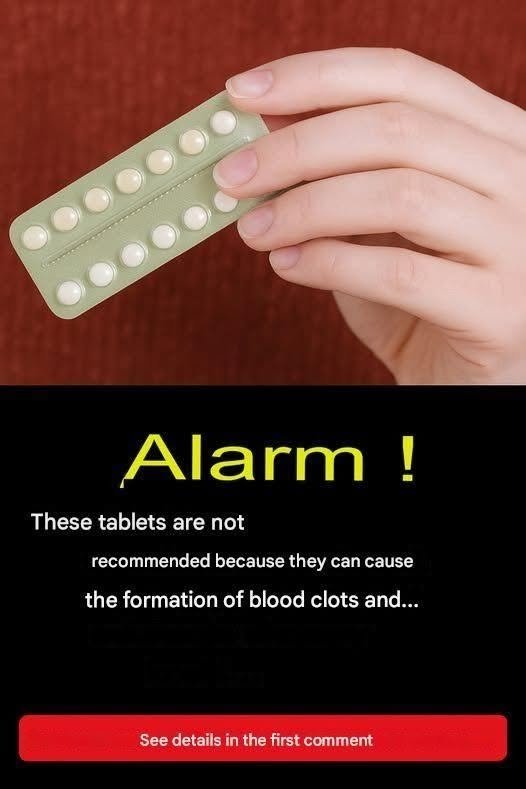
That headline is too vague to be useful. Some medicines really can increase blood-clot risk, but it doesn’t mean everyone taking them should stop.
Medicines with recognized clot concerns
- Certain estrogen-containing medicines, including some contraceptive pills and hormone therapies, can increase the risk of blood clots. The risk varies substantially depending on the product and the person’s individual risk factors. (U.S. Food and Drug Administration)
- Some JAK-inhibitor tablets—including tofacitinib, baricitinib and upadacitinib—carry FDA warnings about increased risks of blood clots and serious cardiovascular events in certain patients. (U.S. Food and Drug Administration)
Risk can be higher with factors such as previous blood clots, smoking, obesity, older age, certain cardiovascular conditions, or prolonged immobility, depending on the medication.
🚨 Know the warning signs
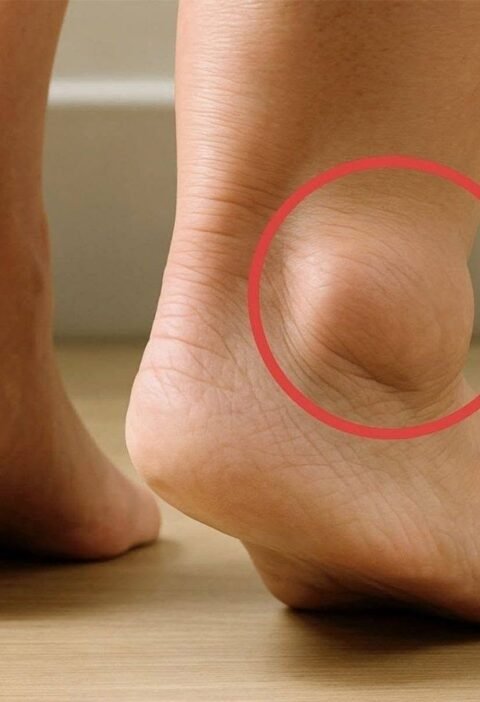
Possible symptoms of a leg blood clot (DVT) include new swelling, pain or tenderness, warmth, or discoloration in one leg. A clot that travels to the lungs can cause sudden shortness of breath, chest pain, coughing blood, rapid heartbeat, or fainting—these require emergency medical attention.
Don’t stop medication because of a viral headline
Stopping a prescription suddenly can itself be dangerous. If you’re concerned about a particular tablet, tell me its name (or send a photo of the package) and I can check its current warnings, clot risk, and safer alternatives with you.